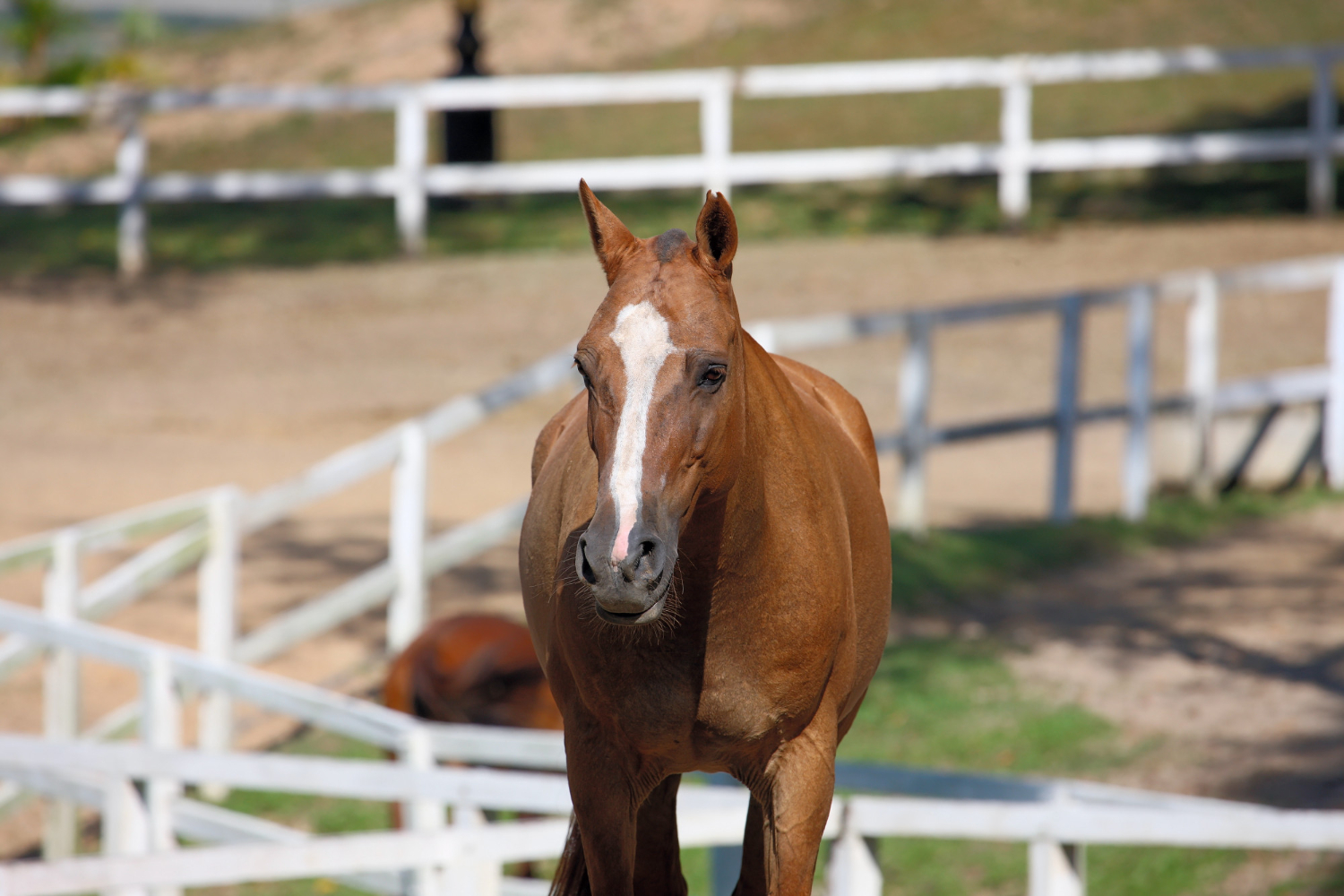
What is the one project that can change how your whole yard feels, and also create the biggest headache if it ends up three inches off?
A fence seems straightforward until we are standing in the yard with string lines, post hole tools, and a slope we did not notice from the patio. Then the questions start piling up. Where exactly is the property line? Do we need a permit? How deep do posts really need to be? Why do gates sag so often? And why does a “simple weekend project” turn into a month of half-finished work.
Table Of Contents
- The Five Reasons Professional Installers Make This Easier
- One Example Where Specialization Really Matters
- Conclusion
- FAQs
At Fusion Fence, we don’t talk anyone out of DIY in general. We are here to be honest about fencing. It is a mix of layout, code rules, heavy labor, and small installation details that decide whether the fence looks crisp and stays strong for years, or becomes that thing we keep meaning to fix.
If we want a fence that looks right, functions well, and holds up to real weather, professional installers usually make the process easier and the outcome more predictable.
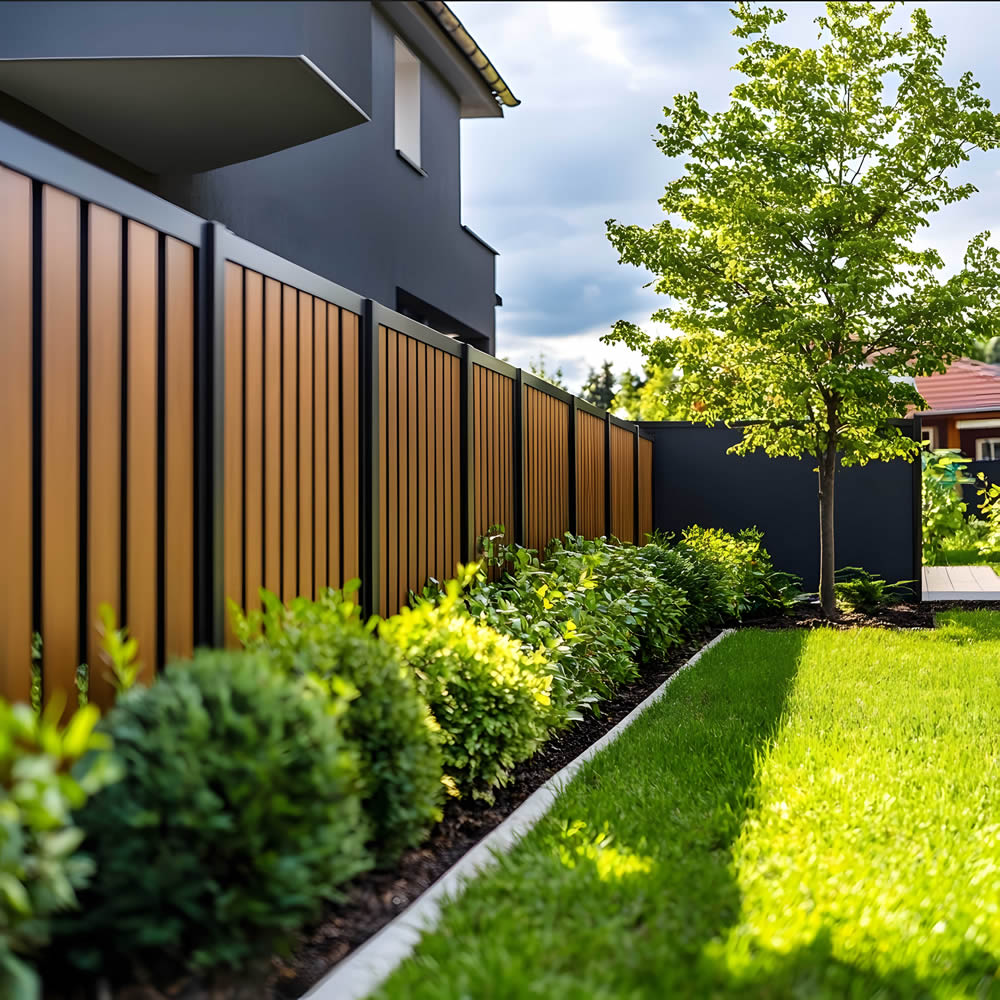
The Five Reasons Professional Installers Make This Easier
We can think of the five reasons as five “failure points” that pros handle before they become problems. If we have ever watched a gate stick after the first winter, or noticed a wavy fence line from the street, we have seen these points in action.
We Start With The Lines, Rules, And Utilities, So We Do Not Redo Work
The first risk in fencing is not the fence itself. It is placing it in the wrong spot or building it in a way that triggers a correction later.
Professional installers typically help confirm layout and placement, and they build around the realities of the site. That includes property line awareness, corner locations, setbacks, and any neighborhood rules that affect height or style. It also includes coordinating utility marking before digging. Hitting a buried line is the kind of “surprise” no one wants.
A good installer also plans for real yard conditions. If the ground slopes, they decide how to step, rack, or grade the fence for a clean look and proper coverage. That choice affects privacy gaps, picket alignment, and the way water runs through the yard.
Here is a question we like to ask early because it reveals a lot. If our neighbor disagrees with the fence location later, what documentation and layout process will we wish we had done first?
We Match Fence Style And Materials To How The Property Is Used
A fence is not one product. It is a system of posts, rails, panels, fasteners, and gates that has to fit our goals and our environment.
Professionals help sort out the tradeoffs we might not see at first glance.
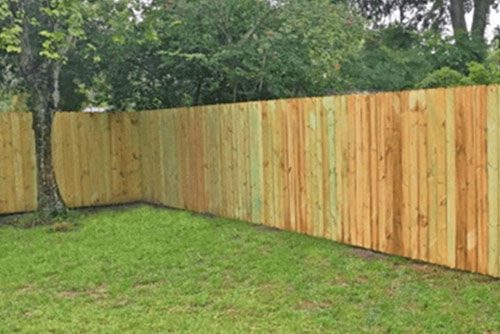
- If you want privacy and a warmer look. Wood designs are flexible and can be built to fit odd spaces.
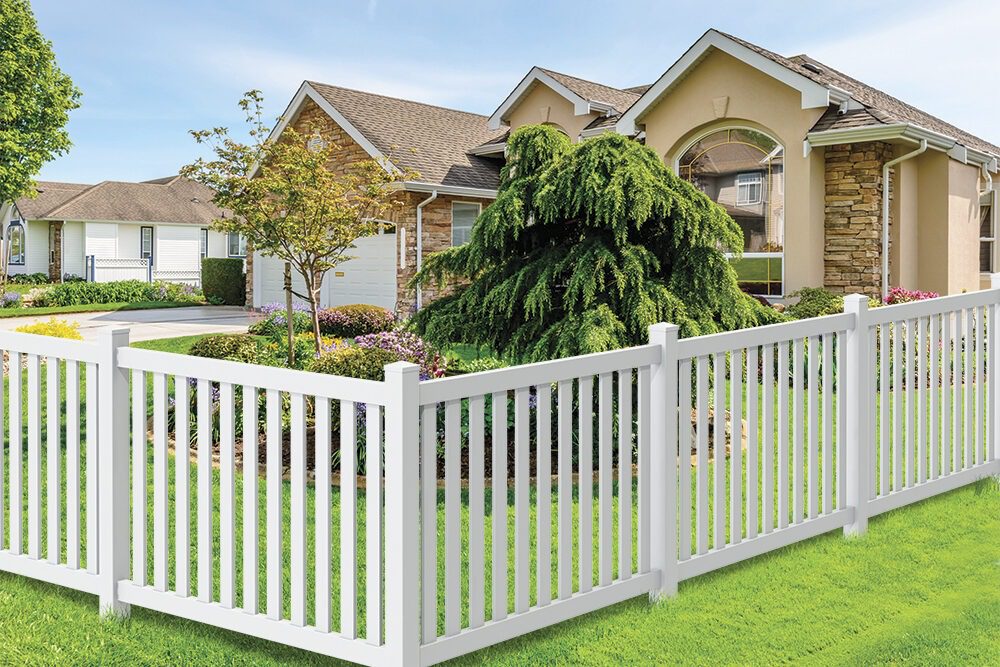
- If you want low maintenance and a consistent finish. Vinyl and PVC tend to win there.
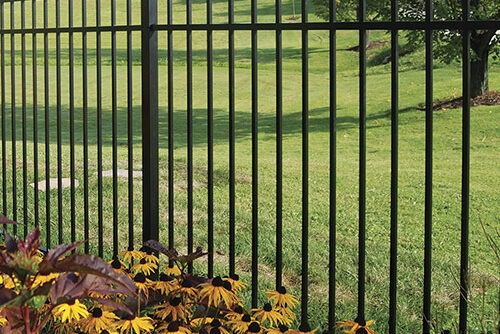
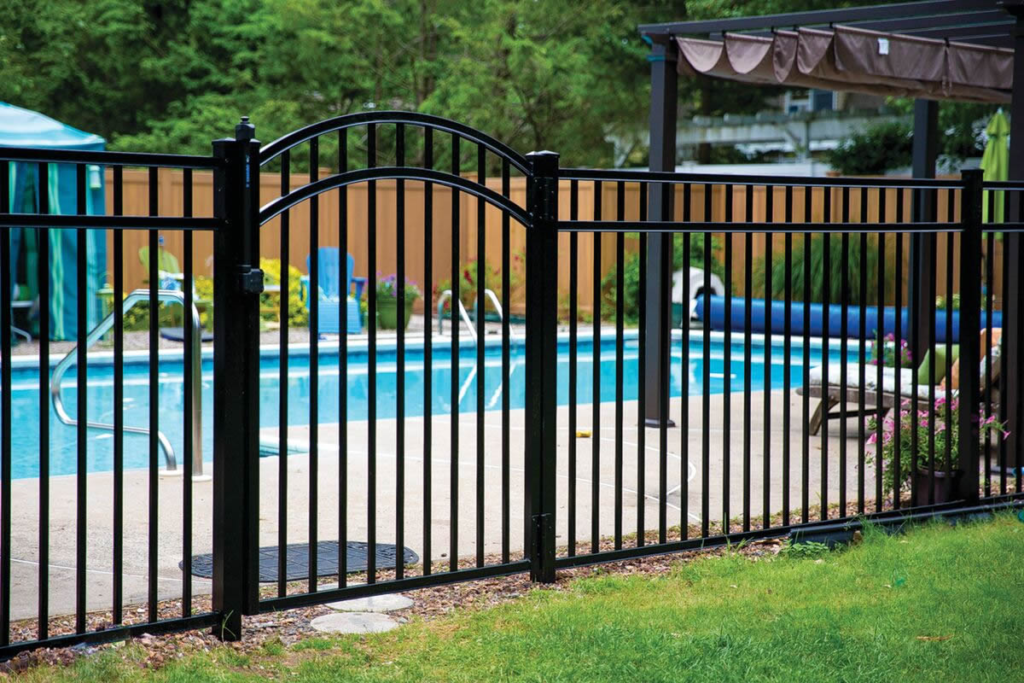
- If you want security with an open feel. Aluminum can look sharp while keeping sightlines.
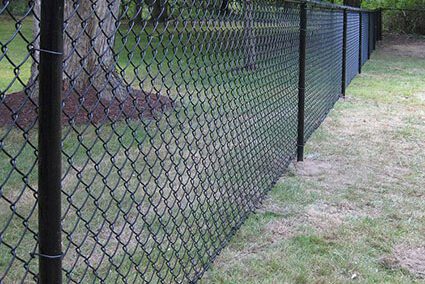
- If you want function and value. Chain link still solves a lot of practical needs.
The material decision also connects to the details that clients notice later. Will the fence be exposed to sprinklers and constant moisture. Do we have a dog that jumps? Do we need a double drive gate? Do we want full privacy or airflow? Are we trying to keep kids in, keep deer out, or simply define a boundary?
When we talk with clients, we often explain it this way. The “best fence” is the one that fits how we live, not the one that looks good in one photo.
If you want to see the range of fence types a full-service team can handle, it is not about picking a brand name. It is about seeing how many different fence problems and property types exist in the real world.
The Installation Details Decide Whether The Fence Lasts
This is where fencing gets real.
Most fence problems do not come from the material alone. They come from installation choices that are hard to correct later.
Post setting is the foundation. Depth, spacing, alignment, and how the post is set in the hole all matter. If posts shift, everything attached to them shifts. Inconsistent post depth can show up later as leaning sections, uneven tops, and gates that drag.
Then there is the fence line itself. A straight line is not just “measure and go.” It is consistent stringing, careful corner planning, and making decisions around slopes and transitions.
And gates deserve special attention. Gates are often the first part of a fence to show problems because they move every day. The hinge hardware, latch placement, post reinforcement, and framing all affect whether the gate stays smooth or becomes a two-handed shove.
Here is another useful question. If the gate starts sagging six months from now, do we know why it happened and how to correct it without rebuilding half the fence?
We Save Time And Avoid The Hidden Costs That Show Up Mid Project
DIY fence budgeting often starts with materials and ends with a pile of unplanned extras.
Common hidden costs include tool rentals, extra concrete, replacement boards, hardware runs, and the cost of fixing early mistakes. There is also the cost we rarely write down. Our time and our tolerance for living with a torn up yard for weeks.
Professional crews bring the tools, the process, and the pacing. They also reduce the “start stop” effect, where a project stalls because we are waiting on one missing part or one unexpected issue. For many households, that predictability is worth more than we expect.
This is the one place we will use a short bullet list, because it is the fastest way to show what tends to sneak up on DIY installs.
- Tool rentals and hauling
- Extra materials due to miscuts and rework
- Concrete and post adjustments after settling
- Gate hardware upgrades after sticking or sagging
- Permit corrections or layout changes after the fact
- Yard repair costs from repeated digging
We are not saying pros are always cheaper on day one. We are saying pros often reduce the chance of paying twice.
We Get A Clear Process From Quote To Final Walkthrough
Fence projects go smoother when expectations are clear.
Professional installers usually provide a defined scope, a timeline, and guidance on decisions that clients do not want to guess on. Things like gate width, latch height, transition points, and how the fence meets the house. Communication matters because most frustration in home projects is not the work itself. There is confusion about what is happening next.
This also ties into follow-up. If something needs adjustment after installation, a professional company can address it without turning it into a scavenger hunt for parts and solutions.
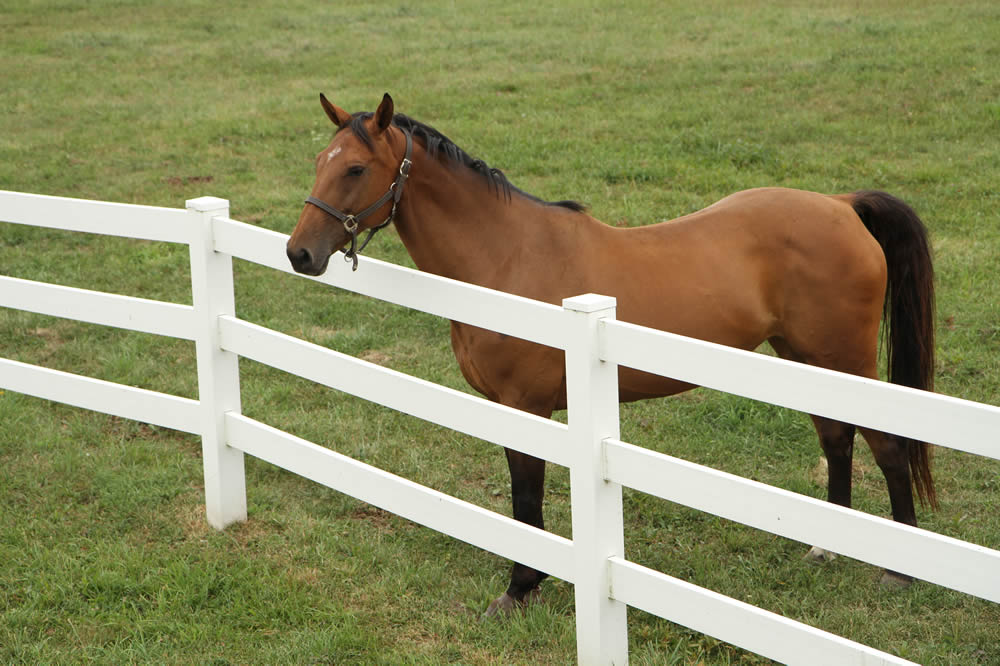
One Example Where Specialization Really Matters
Some fence styles are less forgiving than others. Privacy fences, for example, show every small alignment issue. If the pickets wander, we see it from the street. If the top line is uneven, our eyes go right to it. And if the fence is not built to follow the natural grade, we can end up with awkward gaps.
That is why many clients want installers who specialize in the style they are choosing, not just “someone who does fences.”
For wood privacy in particular, the craftsmanship is visible. Layout, consistent spacing, clean fastening, and thoughtful gate framing all show up in the final look. If wood fencing is the direction you are going, it can help to review a dedicated wood page like Wood Fencing so you know what options exist and what details separate a solid build from an average one.
And here is a creative question we like to bring up when someone is deciding between styles. When we look at our backyard from inside the house, do we want the fence to disappear into the background, or do we want it to feel like part of the design?
Conclusion
Choosing professional fence installers is less about “outsourcing labor” and more about reducing risk. A fence looks simple, but it touches property lines, local rules, utilities, slopes, drainage, and daily use. When professionals handle layout, materials, installation details, and follow-up, we get a fence that functions the way we expect it to.
If we want a fence that looks straight, works smoothly, and holds up season after season, those five reasons usually point in the same direction.
FAQs
How long does a typical professional fence installation take?
It depends on yard size, terrain, and fence type, but professional crews usually complete projects far faster than DIY because they have dedicated equipment, manpower, and a defined process.
What should we decide before getting a fence quote?
We should know our main goal, such as privacy, pet containment, pool safety, or security. It also helps to decide preferred material, approximate fence height, and where gates need to be placed.
Do professional installers help with permits or HOA requirements?
Many do, or they guide us on what the local rules require. This matters because a fence that violates height, style, or setback rules can require costly changes later.
Why do fence gates sag so often?
Gates sag when posts are not set and braced correctly, hardware is undersized, framing is weak, or alignment is off from the start. Gates move every day, so small flaws show up quickly.
Which fence material is easiest to maintain?
Vinyl and PVC are often the lowest maintenance. Aluminum is also low maintenance. Wood can last a long time, but it generally needs periodic care like cleaning and staining to keep it looking its best.
Professional Fence Installation You Can Trust
→ Expertly installed fences built for safety, durability, and curb appeal
→ Precision gates and hardware designed to work smoothly for years
→ Reliable craftsmanship that saves time, prevents issues, and adds value
Get the ideal fence for your home →
★★★★☆ Rated 4.5/5 by 133+ clients
Related articles