Choosing between vinyl and wood privacy fences is one of the most common decisions Cincinnati homeowners face when upgrading their outdoor space. Both options can enhance privacy, improve curb appeal, and define property boundaries, but they perform very differently over time. The right choice depends on how much maintenance you’re willing to handle, how long you plan to stay in your home, and how important durability is to you.
Cincinnati’s weather adds another layer of complexity to this decision. With humid summers, freezing winters, and frequent rainfall, your fence needs to withstand constant environmental stress. Many homeowners initially choose based on price alone, only to face repairs or replacements sooner than expected. Working with experienced professionals like Fusion Fence Company can help you avoid these issues and choose a solution that fits your long-term goals.
Table of Contents
- Why Choosing the Right Fence Matters in Cincinnati
- 10 Key Differences Between Vinyl and Wood Privacy Fences
- How the Right Fence Choice Improves Long-Term Results
- Choosing the Best Fence for Your Property
- Final Thoughts
- FAQs
Why Choosing the Right Fence Matters in Cincinnati
A privacy fence is not just a visual upgrade; it directly impacts your property’s functionality, security, and long-term costs. In a climate like Cincinnati’s, materials are constantly exposed to moisture, temperature swings, and seasonal wear. Choosing the wrong material can lead to warping, rotting, fading, or structural damage much sooner than expected.
Homeowners who overlook these factors often end up spending more on maintenance and repairs than they originally planned. A fence that requires constant upkeep can quickly become a burden, both financially and in terms of time. On the other hand, selecting the right material from the start ensures fewer headaches, better performance, and a stronger return on investment.
Beyond durability, your fence also affects property value and curb appeal. A well-maintained fence enhances the overall appearance of your home and can make a positive impression on potential buyers. This is why understanding the differences between vinyl and wood is so important before making a decision.
10 Key Differences Between Vinyl and Wood Privacy Fences
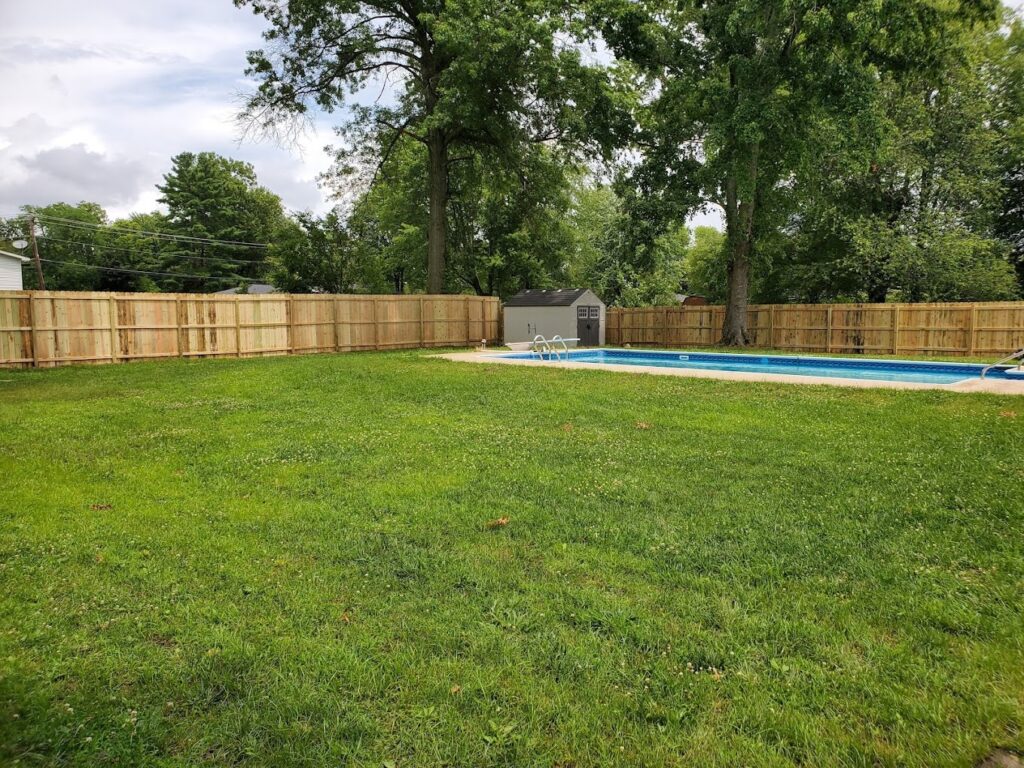
1. Upfront Cost vs Long-Term Investment
Wood fences are typically more affordable at the time of installation, making them appealing for homeowners on a tighter budget. Vinyl fences, however, come with a higher initial cost due to materials and installation precision.
While wood may seem like the cheaper option upfront, it often requires ongoing expenses for staining, sealing, and repairs. Vinyl, on the other hand, tends to pay off over time because it requires very little maintenance. If you plan to stay in your home for many years, vinyl often becomes the more cost-effective choice in the long run.
2. Maintenance Demands Over Time
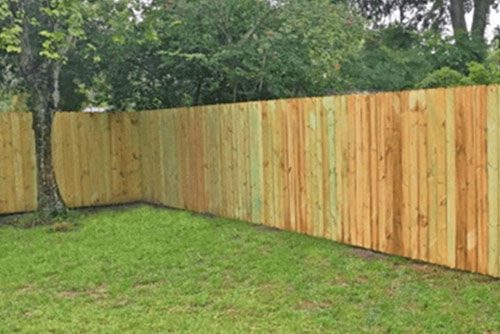
Wood fences require regular care to maintain their appearance and structural integrity. This includes staining, painting, and sealing, often on a yearly or biannual basis. Without this upkeep, wood can quickly deteriorate.
Vinyl fences are much easier to maintain. They only need occasional cleaning with water and mild soap to keep them looking new. For homeowners who prefer a low-maintenance solution, vinyl eliminates the need for ongoing labor and expense, making it a more convenient option.
3. Resistance to Cincinnati Weather Conditions
Cincinnati’s climate can be harsh on outdoor materials, especially wood. Moisture from rain and humidity can cause wood to swell, warp, or rot if not properly treated. Freezing temperatures can also lead to cracking and splitting.
Vinyl fences are designed to withstand these conditions without absorbing moisture. They do not rot, warp, or crack in the same way wood does. This makes vinyl a more reliable option for homeowners who want a fence that holds up well year after year without constant attention.
4. Lifespan and Durability
When properly maintained, wood fences can last around 10 to 15 years. However, this lifespan heavily depends on consistent upkeep and environmental exposure. Neglecting maintenance can significantly shorten its life.
Vinyl fences, in contrast, can last 20 to 30 years or more with minimal effort. Their durability makes them a strong choice for homeowners looking for a long-term solution. If your current wood fence is showing signs of aging, replacement with vinyl may be more practical than ongoing repairs.
5. Appearance and Customization
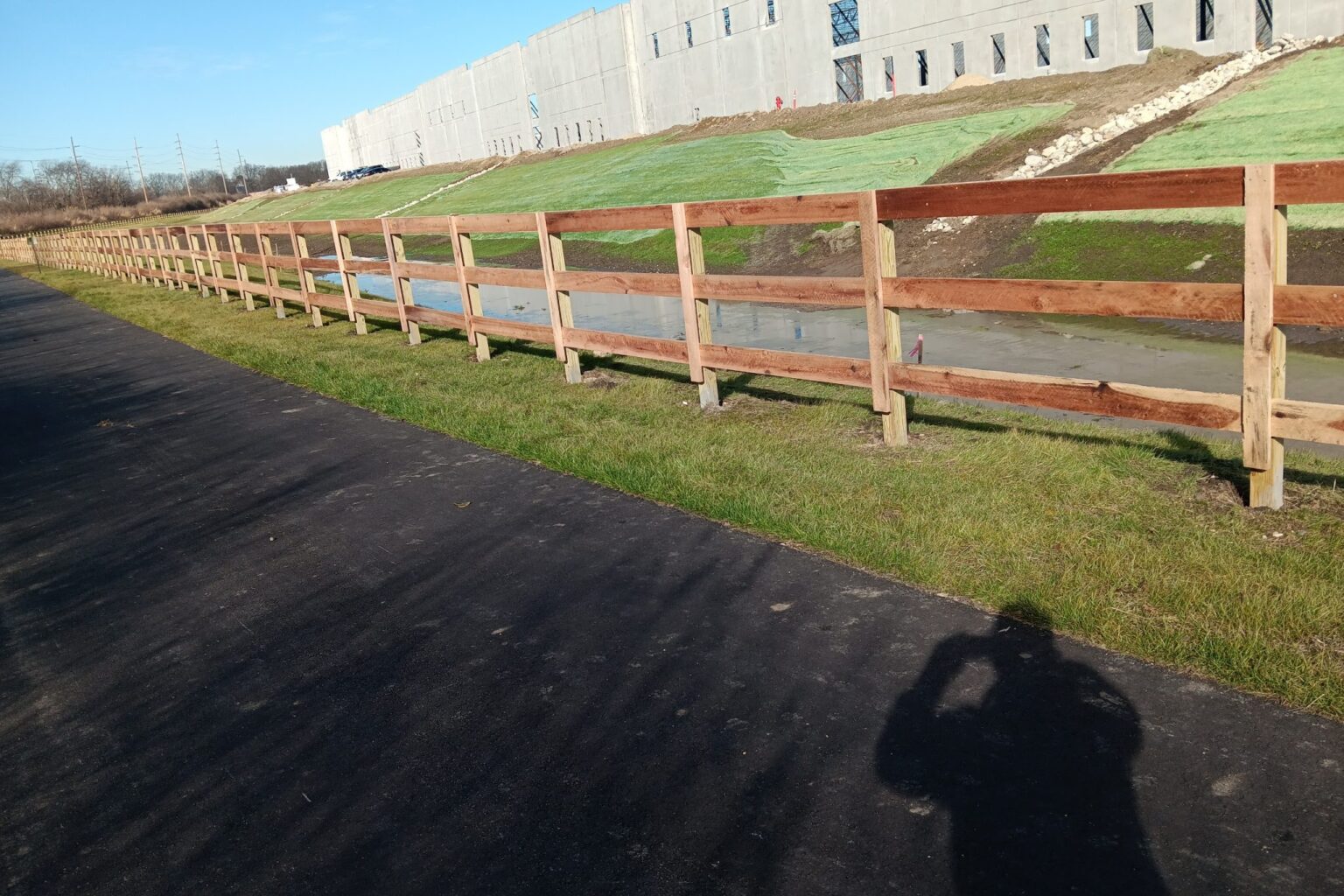
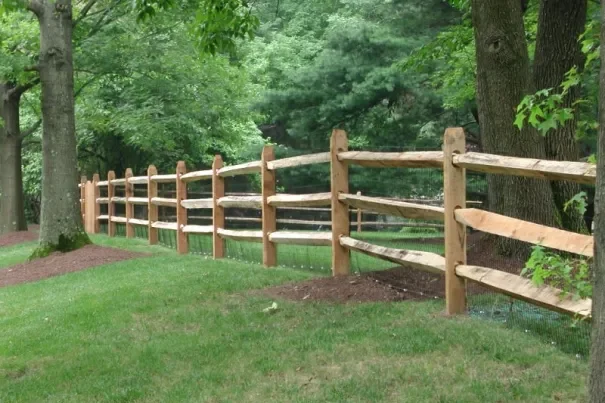
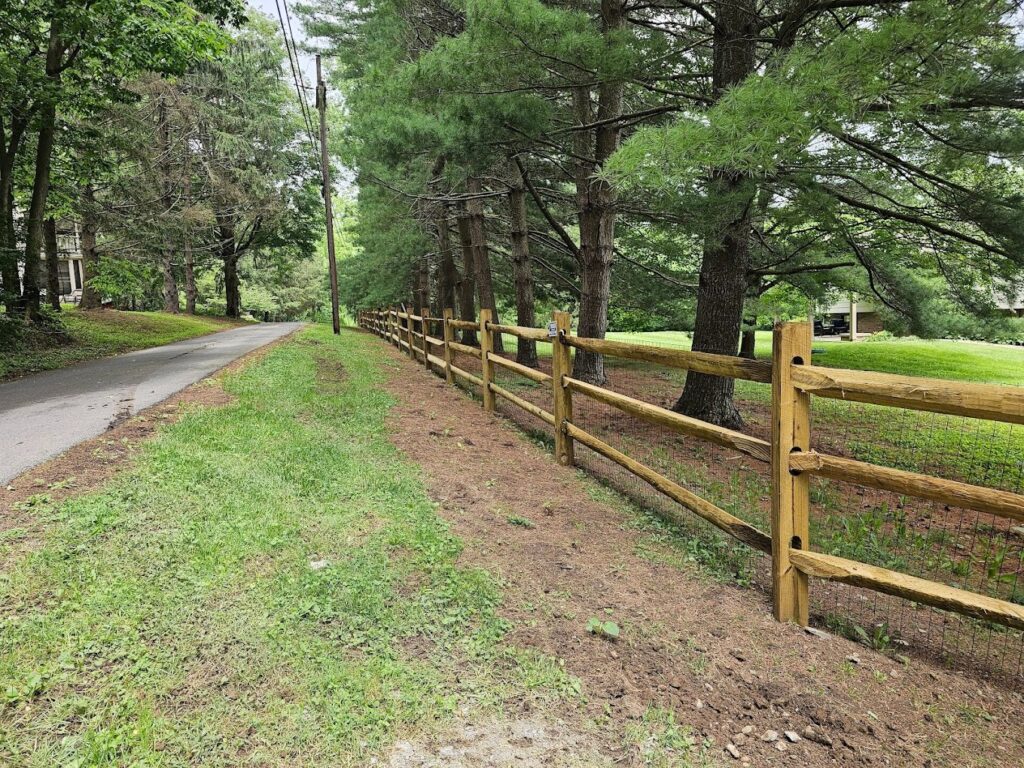
Wood fences offer a natural, timeless look that many homeowners love. They can be painted or stained in various colors, allowing for greater customization. This makes wood ideal for those who want a specific aesthetic.
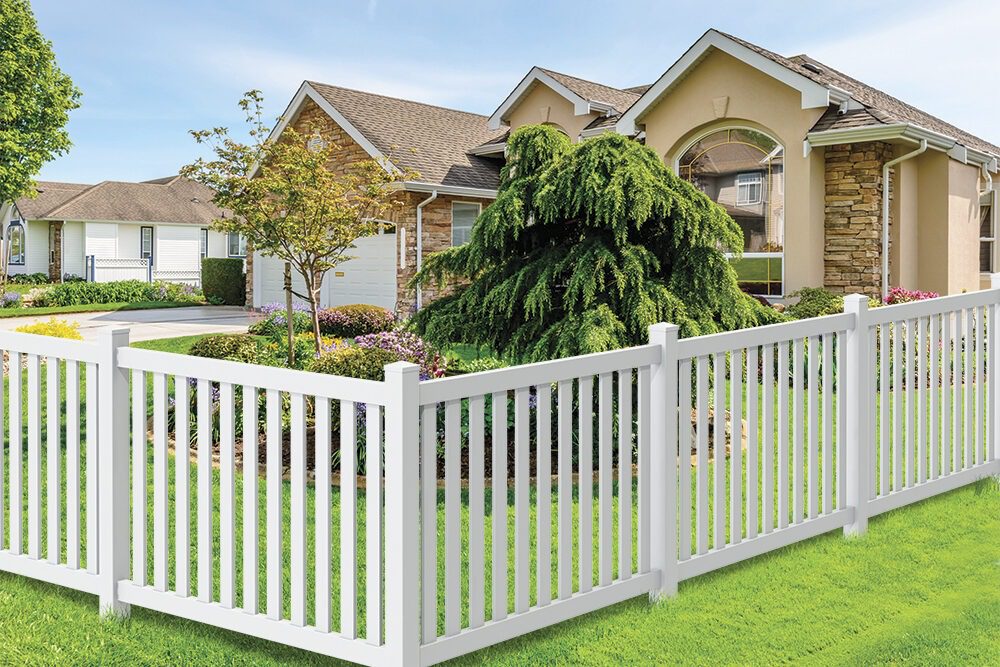
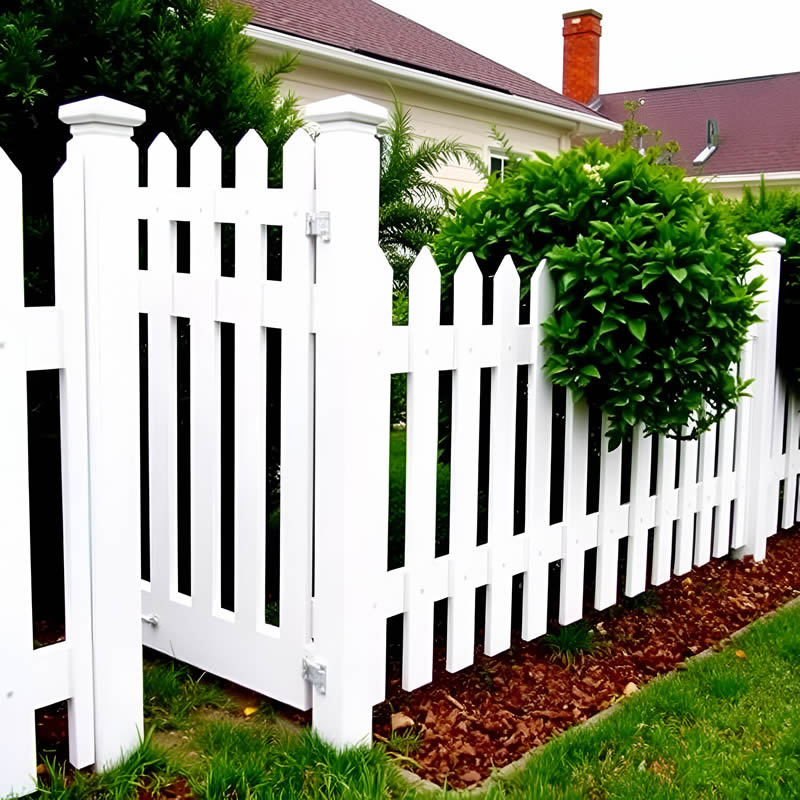
Vinyl fences provide a clean, uniform appearance that remains consistent over time. While they may have fewer customization options, they maintain their look without fading or requiring repainting. The choice here often comes down to personal style and how much effort you want to invest in maintaining that look.
6. Privacy and Functionality
Both vinyl and wood fences can provide full privacy, depending on the design and installation. Solid panels and proper spacing ensure that your outdoor space remains secluded.
However, wood fences may develop gaps over time due to warping or shrinking, which can reduce privacy. Vinyl fences maintain their structure and alignment, ensuring consistent privacy throughout their lifespan. If privacy is a top priority, vinyl offers more reliability.
7. Pest and Rot Resistance
Wood is naturally vulnerable to pests such as termites and other insects, as well as rot caused by moisture. Even treated wood can eventually experience these issues if not properly maintained.
Vinyl is completely resistant to pests and does not rot. This eliminates a major source of damage and reduces the need for repairs. Homeowners dealing with recurring pest issues often find vinyl to be a more practical upgrade.
8. Installation Process and Time
Wood fences are generally quicker to install, as the materials are easier to work with and require less precision. This can make them a convenient option for faster projects.
Vinyl fences require more precise installation to ensure proper alignment and stability. While the process may take slightly longer, professional installation ensures long-term performance. Companies like Fusion Fence Company help ensure that both materials are installed correctly for maximum durability.
9. Environmental Considerations
Wood is often considered more environmentally friendly because it is biodegradable and comes from natural sources. However, the chemicals used in treatment and maintenance can offset some of these benefits.
Vinyl is not biodegradable but is recyclable in many cases. Its long lifespan also means fewer replacements over time, which can reduce overall material usage. The environmental impact depends on how you weigh longevity versus natural materials.
10. Overall Value and Return on Investment
When evaluating overall value, it’s important to consider both upfront and long-term costs. Wood may save money initially but often requires ongoing investment in maintenance and repairs.
Vinyl, while more expensive at first, typically provides better long-term value due to its durability and low maintenance. For homeowners focused on long-term savings and convenience, vinyl often comes out ahead.
How the Right Fence Choice Improves Long-Term Results
Making the right choice between vinyl and wood can significantly improve your experience as a homeowner. A durable, low-maintenance fence reduces stress and eliminates the need for frequent repairs. It also ensures that your property continues to look well-maintained without constant effort.
In addition to convenience, the right fence enhances security and privacy, creating a more comfortable outdoor environment. It also contributes to your home’s overall value, making it more attractive to potential buyers if you decide to sell in the future.
By choosing a material that aligns with your needs and lifestyle, you can avoid common frustrations and enjoy a fence that performs reliably for years.
Choosing the Best Fence for Your Property

Selecting the right fence comes down to understanding your priorities and long-term plans. If you want a solution that requires minimal upkeep and offers long-lasting durability, vinyl is often the better choice. It provides peace of mind and consistent performance in Cincinnati’s changing weather conditions.
On the other hand, if you prefer a natural look and are willing to invest time in maintenance, wood can still be a great option. It offers flexibility in design and a classic appearance that many homeowners appreciate.
Before making a decision, consider your budget, how long you plan to stay in your home, and how much effort you’re willing to put into maintenance. Consulting with professionals like Fusion Fence Company can help you evaluate your options and choose a fence that meets your specific needs.
Final Thoughts
Choosing between vinyl and wood privacy fences is an important decision that affects your home’s appearance, maintenance requirements, and long-term costs. Taking the time to understand the differences ensures that you make an informed choice that aligns with your goals.
FAQs
Which fence lasts longer, vinyl or wood?
Vinyl fences generally last longer, often 20–30 years, while wood fences typically last 10–15 years with proper maintenance.
Is vinyl fencing worth the higher cost?
Yes, for many homeowners. The reduced maintenance and longer lifespan often make vinyl more cost-effective over time.
Does wood fencing require a lot of maintenance?
Yes, wood fences need regular staining or sealing to prevent damage from moisture and pests.
Which fence is better for privacy?
Both can provide excellent privacy, but vinyl maintains its structure better over time, ensuring consistent coverage.
Can weather damage vinyl fences?
Vinyl is highly resistant to weather and does not rot or warp, making it ideal for Cincinnati’s climate.
Why Homeowners Trust Fusion Fence Company
- High-quality materials built for long-term durability
- Reliable installation tailored to Cincinnati conditions
- Honest guidance to help you choose the right material
Schedule Your Consultation With Fusion Fence Company →
★★★★☆ Rated 4.6/5 by 129+ for Expert Fencing Solutions
Related Articles