Why does one fence suit a hillside while another clashes with the terrain?
This is crucial. A fence ideal for flat ground can look awkward, leave gaps, or cause drainage issues on uneven land. When planning a fence for an unlevel yard, the focus isn’t just on material or color, but on how the fence will flow with the property for an intentional and practical outcome.
If you are choosing a fence for a sloped yard, you should look beyond style alone. You need to think about privacy, pet containment, drainage, maintenance, gate placement, and how the fence line will look from more than one angle.
Fusion Fence Company’s provides services across wood, vinyl and PVC, aluminum, chain link, privacy, perimeter, and amenity and farm fencing, which reflects an important truth. The best fence style depends on what the yard is doing and what you need the fence to do.
Table Of Contents
- Why Sloped Yards Need A Different Fence Strategy
- Racked Fences Often Look Best On Gentle To Moderate Slopes
- Stepped Fences Usually Work Better On Steeper Or More Sudden Grade Changes
- Some Fence Styles Naturally Handle Uneven Yards Better Than Others
- The Best-Looking Fence Is Usually The One Planned Around The Entire Yard
- Conclusion
- FAQs
In this guide, we are walking through the fence styles that usually work best on sloped or uneven yards, along with the design decisions that can make the difference between a fence that looks right and one that never quite settles in.
Why Sloped Yards Need A Different Fence Strategy
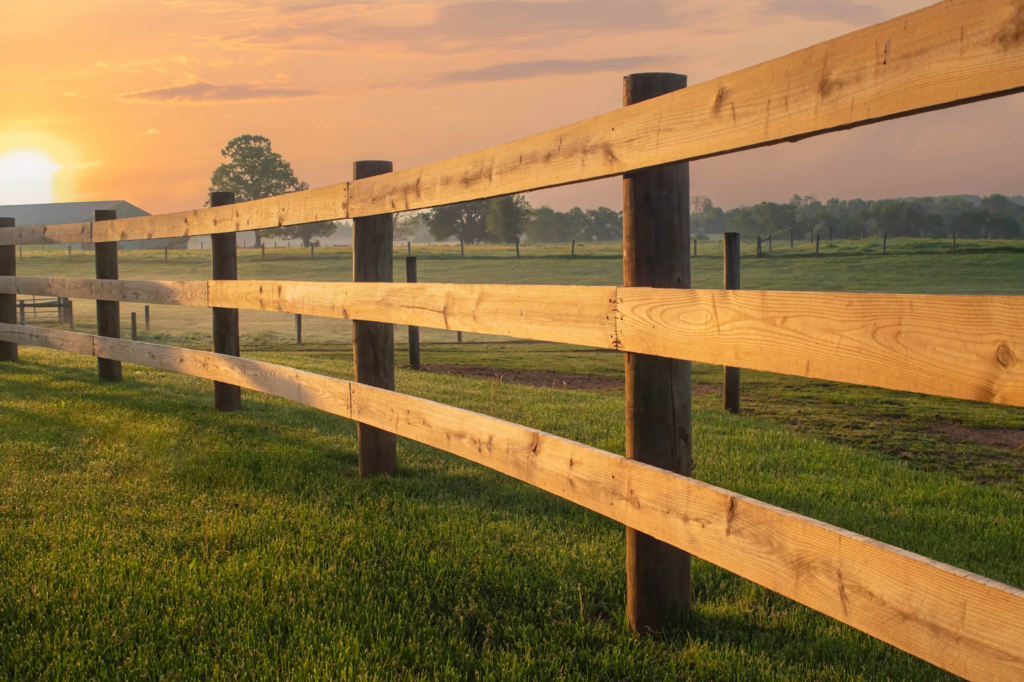
Uneven yards need a different fence approach because the slope affects both appearance and performance. In most cases, the fence will either be racked to follow the contour of the land or stepped in level sections as the grade changes. Racked styles usually suit gentle slopes, while stepped styles tend to work better on steeper terrain.
Before choosing a style, you should focus on how your yard actually moves rather than which material looks best first. It is also important to consider drainage, erosion, and footing stability, since uneven ground can create runoff and shifting soil. Walking the fence line and noticing slope changes and water flow can help you choose a design that looks right and works well over time.
Racked Fences Often Look Best On Gentle To Moderate Slopes
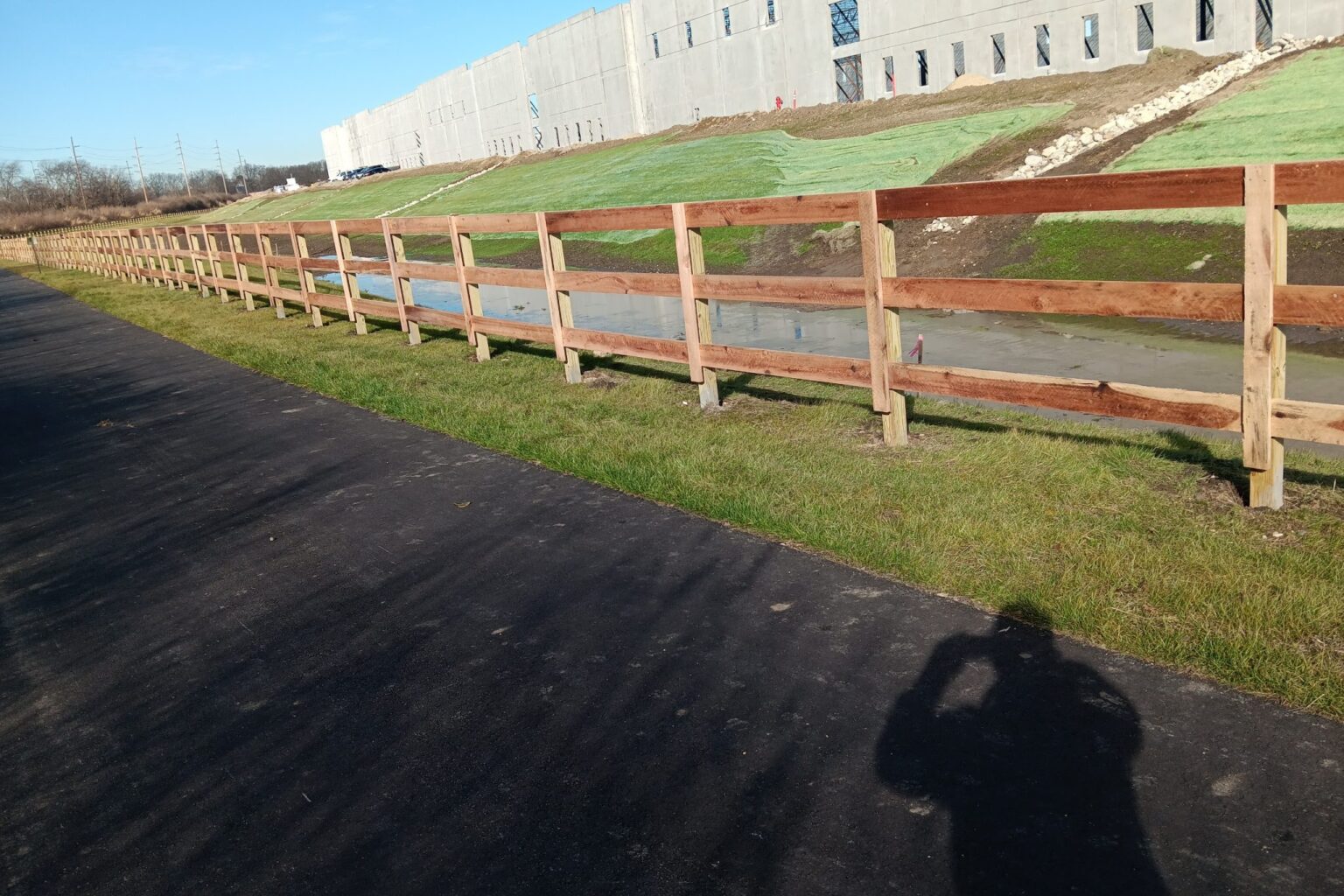
On gradual slopes, a racked fence often creates the most natural look because it follows the shape of the land instead of stepping down in sections. This helps the fence line appear smoother and more continuous, with fewer noticeable gaps underneath.
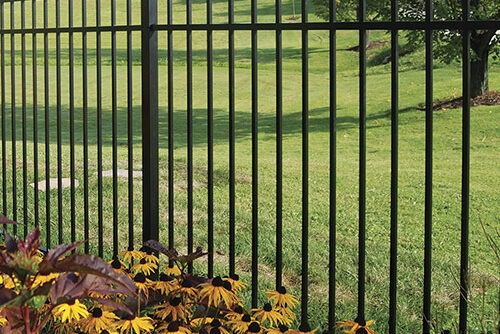
Aluminum is a popular choice for this style because many aluminum panels are designed to adjust to gentle grade changes cleanly. Wood can also work well since it allows for more custom adjustments, especially when privacy is important. Still, not every slope is suitable for a racked design, so the layout should always be planned around both the yard and the purpose of the fence.
Stepped Fences Usually Work Better On Steeper Or More Sudden Grade Changes
Some yards do not roll. They climb, drop, and change in ways that make a smooth contour harder to achieve. That is where stepped fencing often becomes the better fit.
Why Stepped Layouts Can Look More Controlled
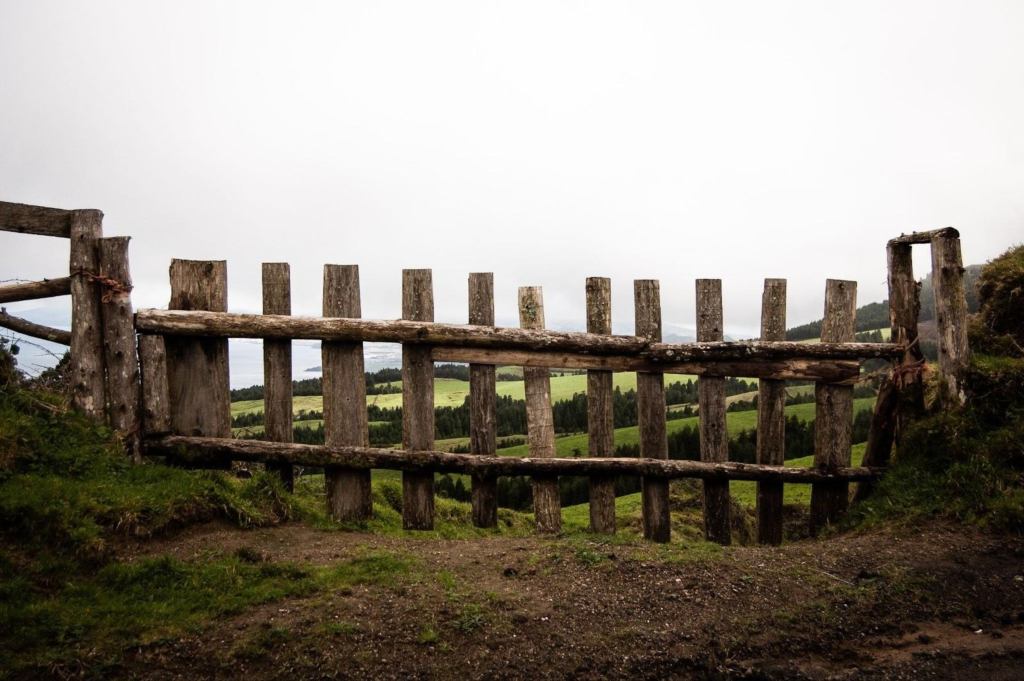
A stepped fence keeps each panel level, then lowers the next panel as the yard changes height. The result is a sequence of clean level sections that descend with the slope. Current fencing articles repeatedly describe stepped fencing as a practical answer for steeper grades because it avoids forcing a continuous angle where the land changes too quickly.
If your property has sharper transitions, this layout can look more organized and easier to plan around. It is often the approach that gives the cleanest geometry when the yard does not offer a soft, consistent incline.
Privacy Fences Often Pair Well With A Stepped Design
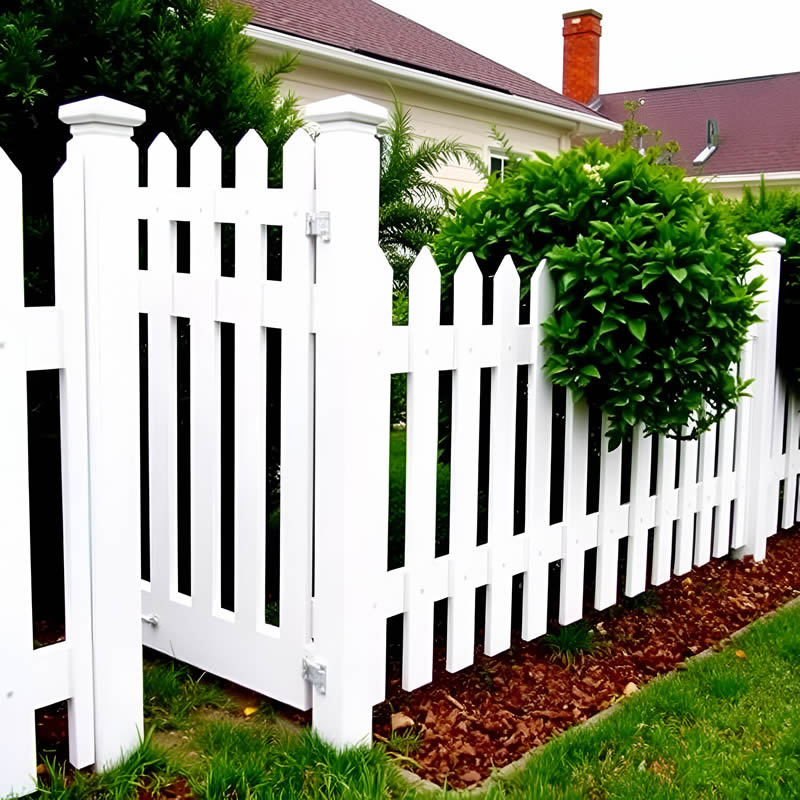
Stepped layouts are commonly used with wood and vinyl privacy fences because level sections can still create a strong, familiar look even when the land underneath changes. Fusion Fence’s site includes privacy fencing, perimeter fencing, vinyl and PVC fencing, and wood fencing, which fits the kinds of materials homeowners often compare for this type of project.
If your biggest priority is screening, a stepped layout may help preserve the visual strength of the fence line. But you should also be realistic about the gaps that can appear beneath each section where the grade drops.
The Main Drawback Is The Space Under The Panels
This is the tradeoff you should think through early. Stepped fencing often leaves triangular or uneven gaps below the bottom of each panel as the yard moves downward. In some yards, those spaces are small and easy to accept. In others, they become a problem for privacy, pet containment, or simple visual consistency. That issue is frequently mentioned in current slope-fence guidance because it is one of the biggest differences between a stepped fence and a racked one.
If you have small dogs, want a tighter barrier, or simply dislike visible gaps, make sure you address that before the design is finalized.
Some Fence Styles Naturally Handle Uneven Yards Better Than Others
Not every fence style is equally forgiving on a slope. Some lend themselves to adjustment, while others require much more care to look right.
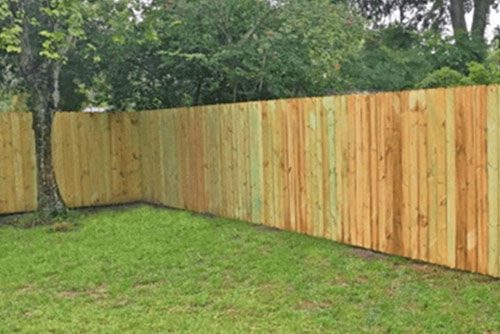
Wood Privacy Fences Are One Of The Most Adaptable Choices
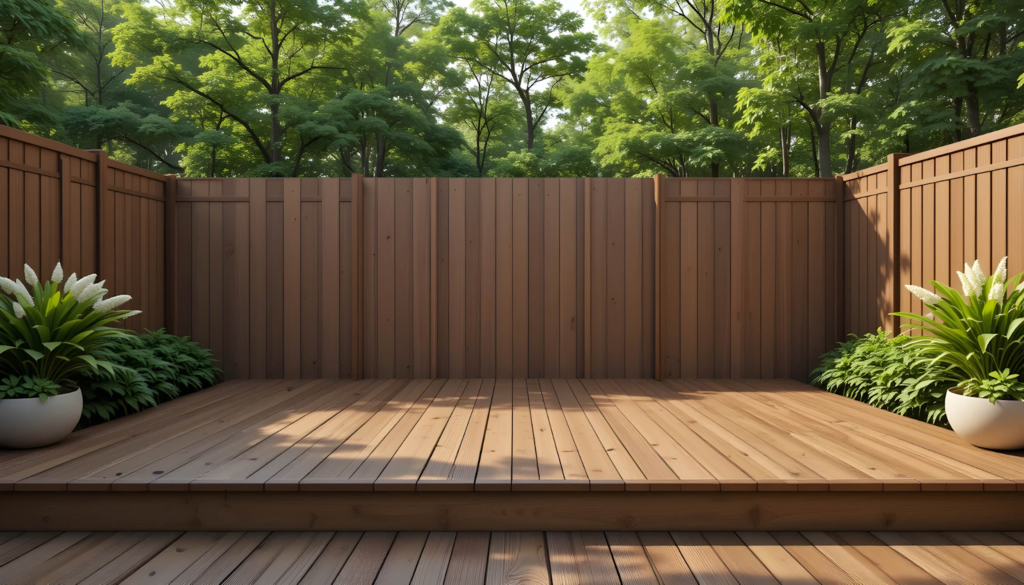
Wood remains one of the most versatile materials for uneven yards because it can be customized in both stepped and contour-friendly layouts. You can adjust board lengths, top lines, and transitions more easily than with many fixed panel systems. That makes wood a reliable option when you want privacy and you do not want the grade to dictate every visual detail.
If you want a fence that can be tailored more closely to the yard, wood is often a sensible place to start.
Vinyl And PVC Can Work Well With The Right Plan
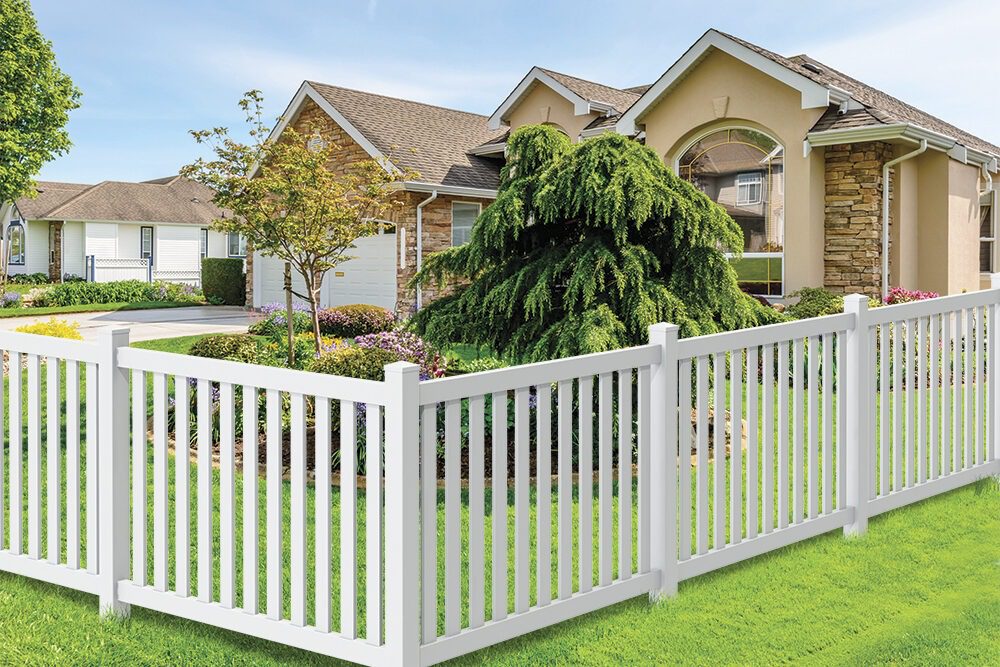
Vinyl and PVC are popular for their lower maintenance and clean appearance, but on a sloped yard the key is making sure the specific system suits the installation method. Some layouts are better stepped than racked, and some styles need more planning around grade changes.
Fusion Fence’s vinyl and PVC service page emphasizes durability, privacy, weather resistance, and a range of modern styles, all of which can appeal to homeowners who want a neat finished look with less upkeep.
You should not assume every vinyl fence will automatically adapt well to a slope. The design has to match the terrain.
Chain Link And Open Styles Can Be More Forgiving
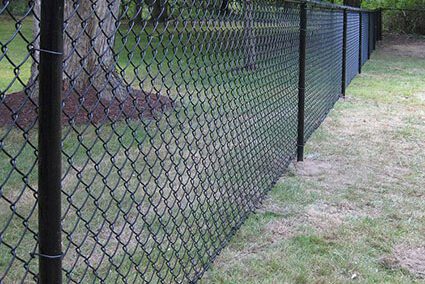
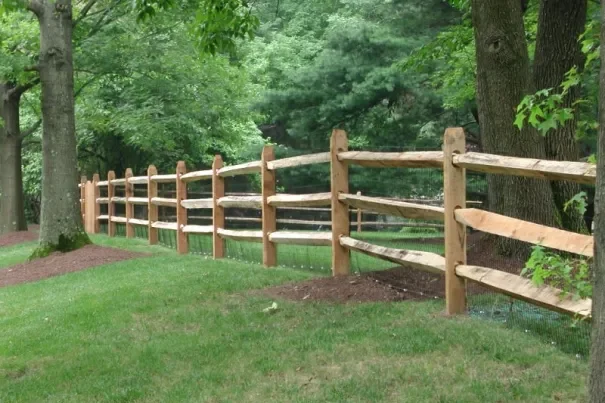
Chain link is often easier to work with on uneven ground because function comes first and the material is visually lighter. Fusion Fence describes chain link as durable and reliable for boundary protection, which fits the reason many property owners consider it when the yard is not perfectly level. Open styles such as split rail can also feel more natural on larger or more rural lots because they define the boundary without trying to create a wall-like effect.
If your main goal is marking the property line, improving containment, or creating a practical boundary, these options may give you fewer design headaches.
The Best-Looking Fence Is Usually The One Planned Around The Entire Yard
A good result rarely comes from choosing a material in isolation.
It comes from matching the style, slope, drainage, and layout to the way your property actually behaves.
This is especially true when gates are part of the project. Gates on uneven ground can become awkward quickly if the grade changes too much at the opening. You should also think about where you want privacy most, where sightlines matter, and whether the fence should feel formal, soft, open, or more architectural.
At Fusion Fence Company, we believe the best fence for a sloped yard is usually the one that looks settled into the property rather than forced across it. That often means slowing down at the planning stage and deciding what matters most to you. Do you want the cleanest visual line, the tightest barrier near the ground, the least maintenance, or the most natural fit with the landscape?
If you answer those questions honestly, the right style becomes easier to see.
Conclusion
Uneven yards do not rule out a beautiful fence, but they do require better planning. In most cases, the strongest options come down to racked fences for gentler slopes, stepped fences for steeper changes, and materials that suit both your maintenance expectations and the way the land moves. Wood offers flexibility, aluminum often works well for clean rackable lines, vinyl can look crisp with the right layout, and chain link or open styles can make practical sense when function matters most.
We always encourage you to evaluate the whole property before choosing. Watch the slope, notice the drainage, think about pets and privacy, and be realistic about where gaps or sharp transitions could become a problem. When that process feels tricky, a fencing professional can help you avoid a style that looks good in theory but feels wrong in your actual yard.
FAQs
What fence style usually works best on a sloped yard?
The answer depends on how steep the yard is. Racked fences usually work best on gentle to moderate slopes, while stepped fences often work better on steeper grade changes.
Is a wood fence good for uneven ground?
Yes. Wood is often one of the most adaptable choices because it can be customized more easily than many prefabricated panel systems.
Do stepped fences always leave gaps?
They often leave some space beneath the panels where the grade drops, though the size of the gap depends on the slope and the panel layout.
Can vinyl fencing be installed on a slope?
Yes, but the specific fence system and the slope itself matter. Some vinyl layouts are better stepped, while others may need a different approach.
What should I check before installing a fence on uneven land?
You should check the slope pattern, drainage, soil stability, gate locations, privacy needs, and whether you need the fence to follow the ground closely or stay level in sections.
Custom Fence Solutions Designed For Sloped And Uneven Yards
→ Get expert guidance on fence styles that work beautifully with challenging terrain
→ Choose from durable, attractive options tailored to your property and layout
→ Count on professional installation that delivers a clean, secure finished look
Connect with Fusion Fence Company today to find the right fence for your yard →
★★★★☆ Rated 4.6/5 by 129+ Homeowners for Reliable, Expert Fence Installation
Related Articles