What should a fence quietly do while children are busy turning a play area into their own little world? It should guide movement, reduce access to hazards, support supervision, and hold up through weather, bumps, repairs, and daily use.
Wood brings warmth, flexibility, and easy board level repairs. Vinyl brings smooth surfaces, clean lines, and lower routine upkeep. The right choice is not the material that looks best on day one. It is the material that fits your site, your maintenance habits, your budget, and how children actually use the space.
Table Of Contents
- Why The Fence Material Matters Around A Play Area
- How Wood Performs When Safety Comes First
- How Vinyl Performs When Daily Upkeep Matters
- What You Should Compare Before Choosing
- When Wood Or Vinyl Makes More Sense
- Conclusion
- FAQs
At Fusion Fence Company, we think a play area fence should be planned around safety first and appearance second, with both working together. That means asking practical questions about gates, visibility, spacing, durability, and how fast problems can be fixed.
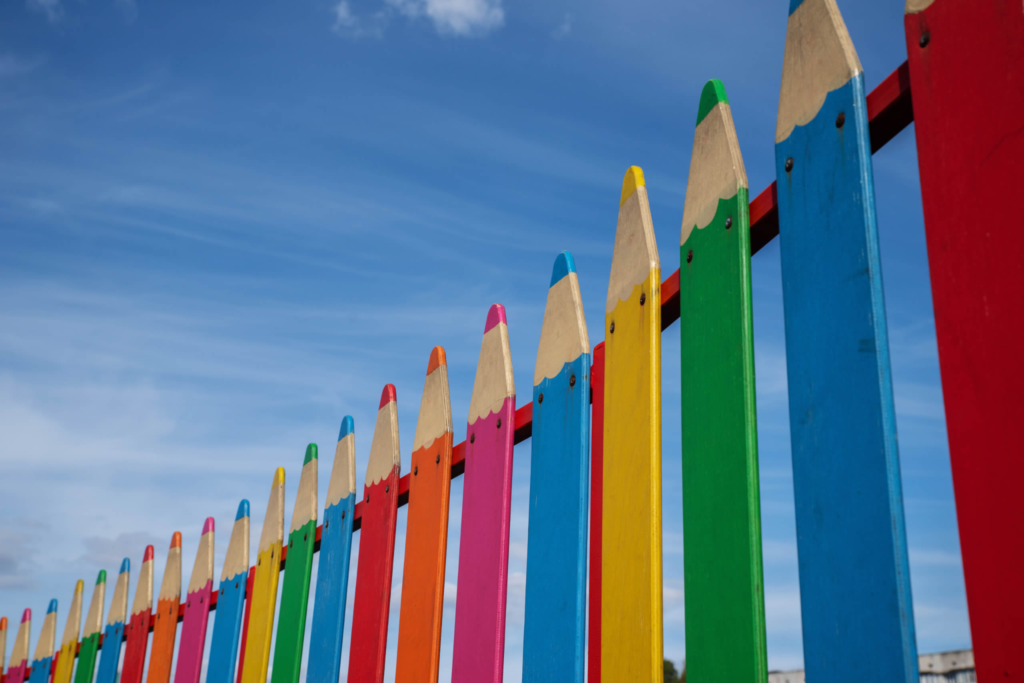
Why The Fence Material Matters Around A Play Area
A fence around a play area does more than mark a border. It helps define where children can run, where adults can watch, and where vehicles, pets, pools, streets, or equipment storage should stay separate from active play.
The material matters because children interact with fences differently than adults do. They lean on them, touch them, chase balls into them, and sometimes test rails and openings without meaning to. A fence that works for a quiet garden may not be the best choice for a busy daycare yard, school playground, church play zone, or backyard.
For safer planning, think about three things before color or style. First, the fence should create a clear boundary without tempting climbing. Second, the gate should be easy for adults to operate and hard for young children to open without help. Third, the surface should stay manageable as it ages, because splinters, loose boards, broken pickets, cracked panels, and shifting posts can become safety concerns.
Another question worth asking is whether the fence will calm the site or create new blind spots. A solid fence can add privacy, but too much privacy may make supervision harder. An open style can improve visibility, but it may show nearby distractions. Your final design should balance both needs.
How Wood Performs When Safety Comes First
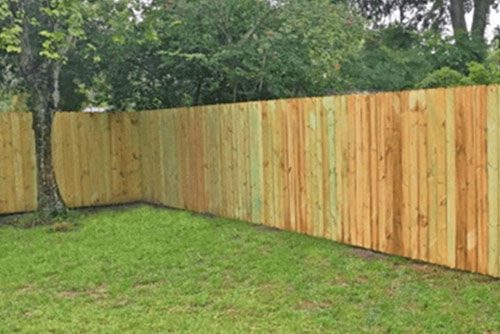
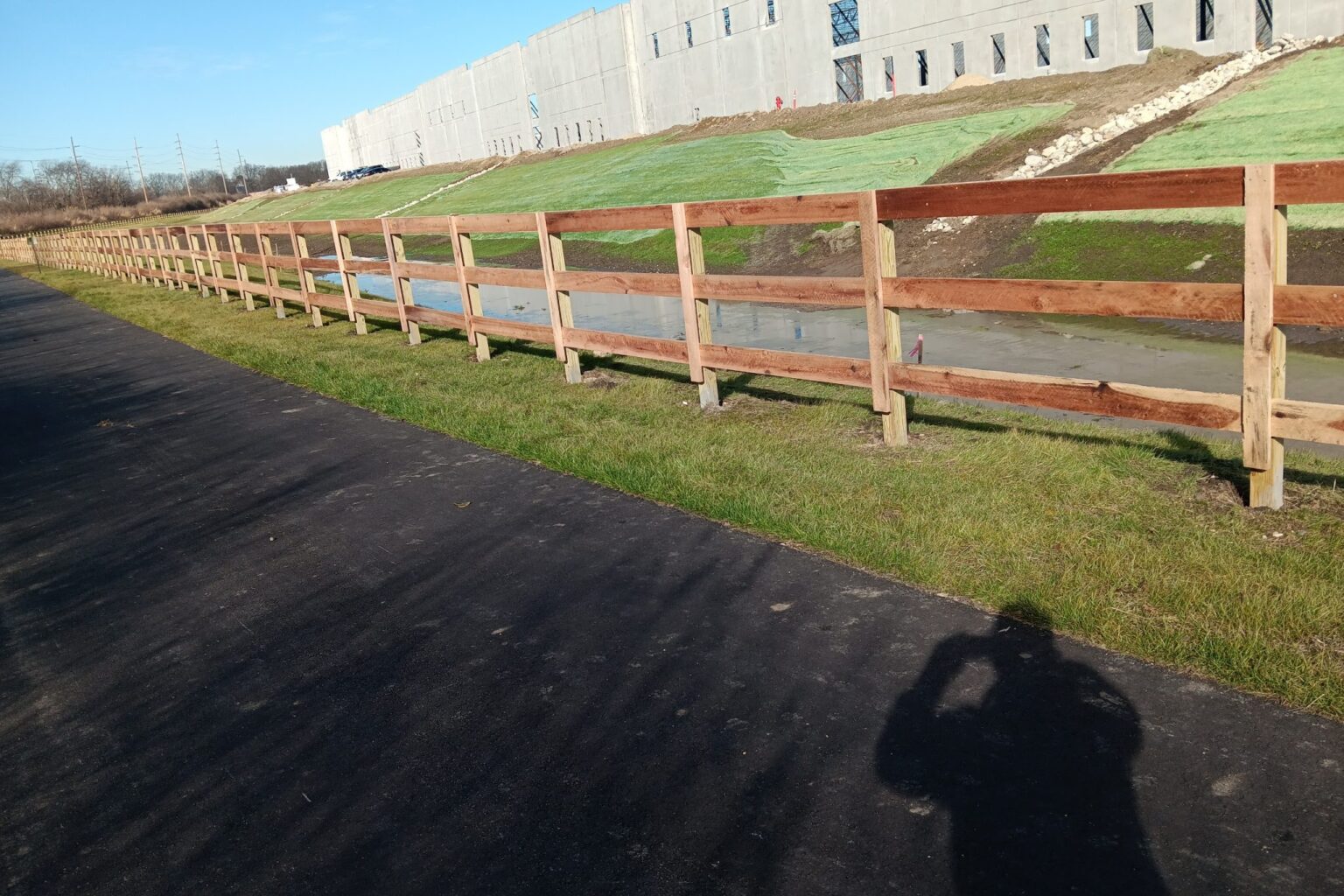
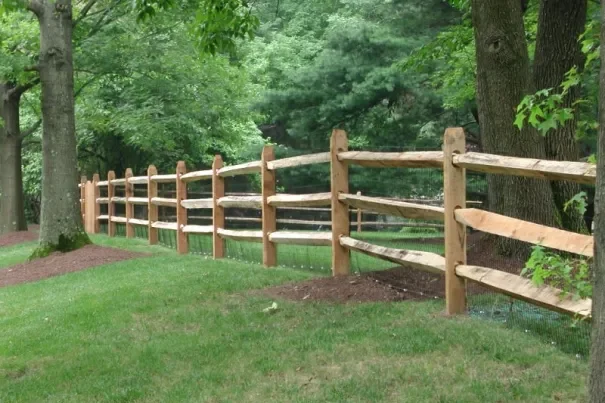
Wood gives property owners strong design control. If your play area has an odd shape, a slope, or landscape features, wood can often be cut, adjusted, and repaired in smaller sections.
The Strength Of Wood Is Its Flexibility
Wood is a practical choice when your site needs custom sizing or when you want a visually softer fence. It can be built in picket, privacy, shadowbox, or semi private styles, depending on visibility needs.
For play areas, visibility is often important. A wood picket design can help, as long as spacing, height, and gate placement are planned carefully.
The Weak Point Of Wood Is Ongoing Care
Wood needs attention. Moisture, sun, soil contact, and seasonal movement affect boards and posts. Over time, some boards may warp, split, loosen, or roughen. That does not make wood unsafe, but you should plan inspections and maintenance.
Do not ignore small defects near a play space. A lifted nail, sharp splinter, loose latch, or cracked picket deserves quick attention. The good news is that wood is usually repair friendly. For owners who want repair control, wood can fit well.
If your property already has wooden gates or privacy sections, matching them can keep the play area from feeling patched together. That visual continuity can matter for homes, churches, and community spaces.
How Vinyl Performs When Daily Upkeep Matters
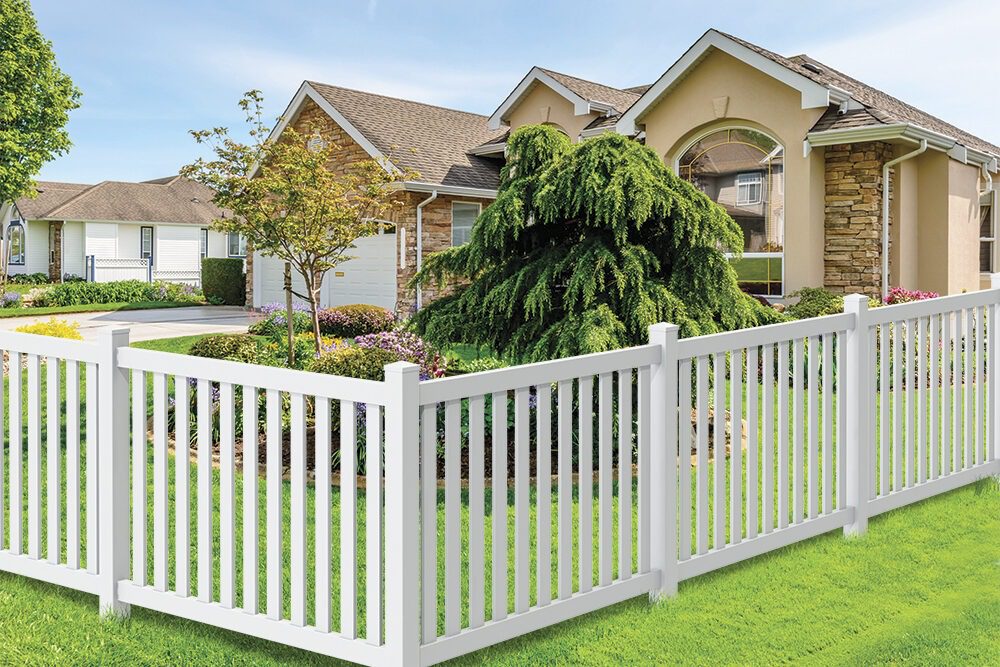
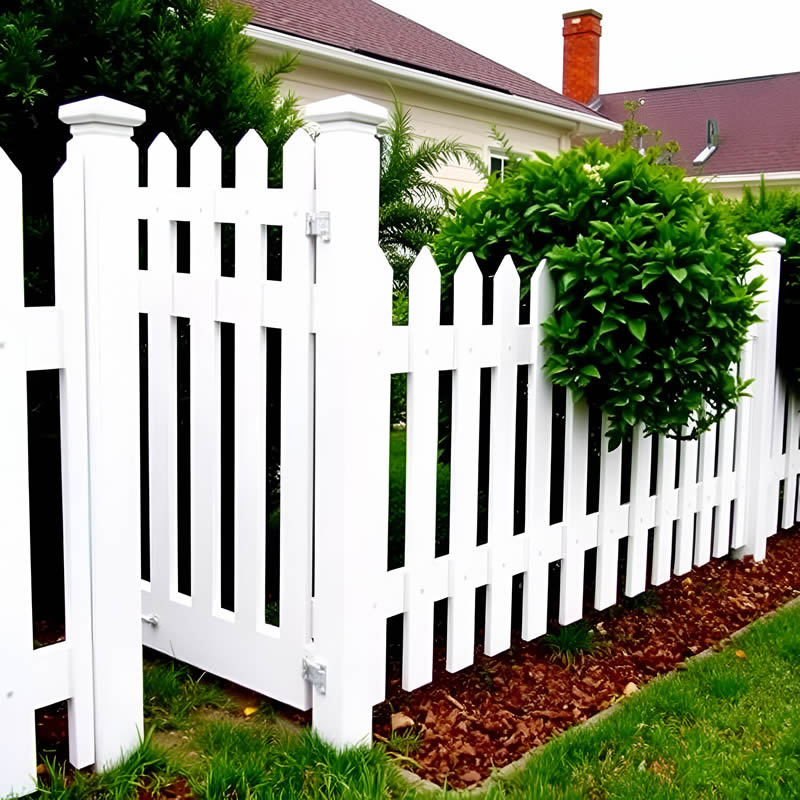
Vinyl is often chosen for play areas because it stays smooth, resists rot, and does not need staining or painting. For busy property managers, schools, HOAs, and homeowners who want a neat look, vinyl can be appealing.
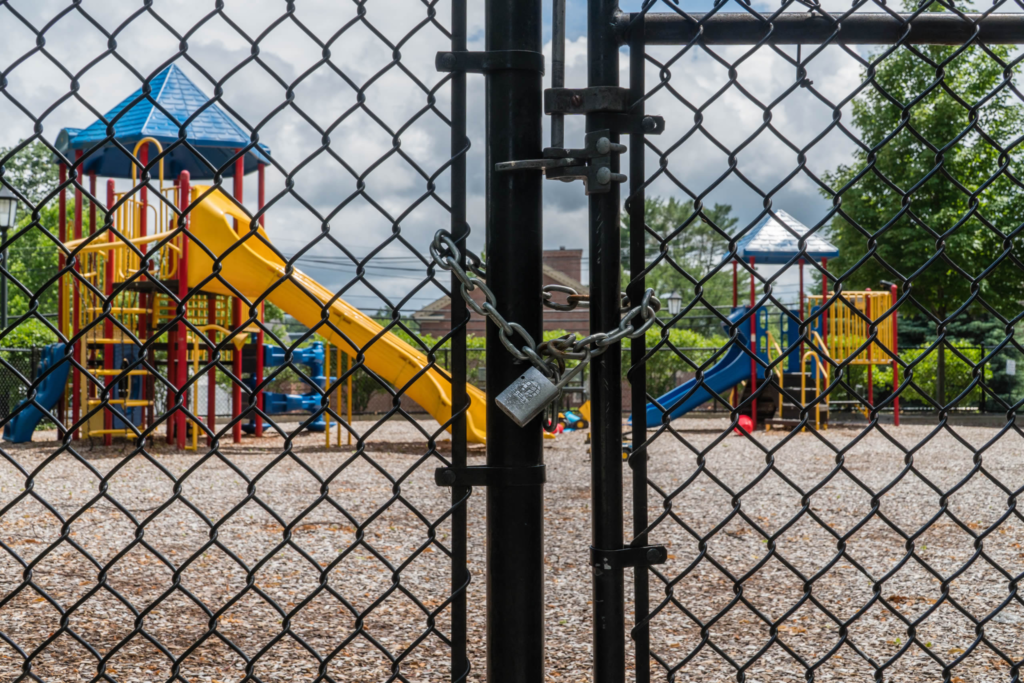
Smooth Surfaces Help With Everyday Use
A vinyl fence gives you a clean surface that is less likely to splinter than aging wood. That matters in a space where children may brush hands along rails, lean against panels, or grab a picket while running past. Vinyl also resists insect damage and moisture related decay, which can reduce rot related repairs.
Vinyl works well when you want a polished boundary that can be cleaned with basic washing. Dirt, grass stains, and mildew marks can show more clearly on lighter colors, so cleaning still matters. Low maintenance does not mean no maintenance, especially around children.
Vinyl Repairs Can Be Less Forgiving
The tradeoff is repair style. If a vinyl section cracks or a panel is damaged by impact, repair may involve replacing a larger piece rather than one small board. That can matter where balls, bikes, equipment, or weather cause damage.
You should also think about temperature swings and installation quality. Vinyl needs room to expand and contract, and posts need support. A well installed vinyl fence can serve a play area well, but rushed installation can lead to movement, uneven panels, or weak gates.
What You Should Compare Before Choosing
Before choosing between wood and vinyl, walk the play area and ask what could go wrong on an ordinary day.
Use this simple safety first checklist.
- Where should children enter and exit, and should any gate be self closing or self latching
- Will adults need clear sightlines from patios, classrooms, sidewalks, or parking areas
- Could children climb nearby benches, planters, toys, or rails to get over the fence
- Will sprinklers, shade, mud, or mulch keep parts of the fence damp
- Who will inspect the fence, clean it, and arrange repairs during the year
This is where better fencing solutions come from. You are not just choosing boards or panels. You are choosing a boundary system that needs to match traffic flow, supervision, maintenance, and the level of privacy your property needs.
When Wood Or Vinyl Makes More Sense
A small residential play area may have different priorities than a daycare yard used every weekday.
Choose Wood When Custom Fit Matters Most
Wood can make sense when your play area has uneven ground, mature trees, tight corners, or a look that must match an existing fence. It is also useful when you want a finish that can be painted or stained later.
You should choose wood only if you are willing to maintain it. Check for splinters, soft spots, loose fasteners, leaning posts, and gate problems. If no one will keep up with inspections, wood can become a poorer choice over time.
Choose Vinyl When Low Routine Maintenance Matters Most
Vinyl often fits spaces where clean appearance matters and maintenance time is limited.
You should choose vinyl with realistic expectations. It can still need washing, and damaged panels may not be as simple to patch. For play spaces with frequent hard impacts, think about how replacement parts will be handled.
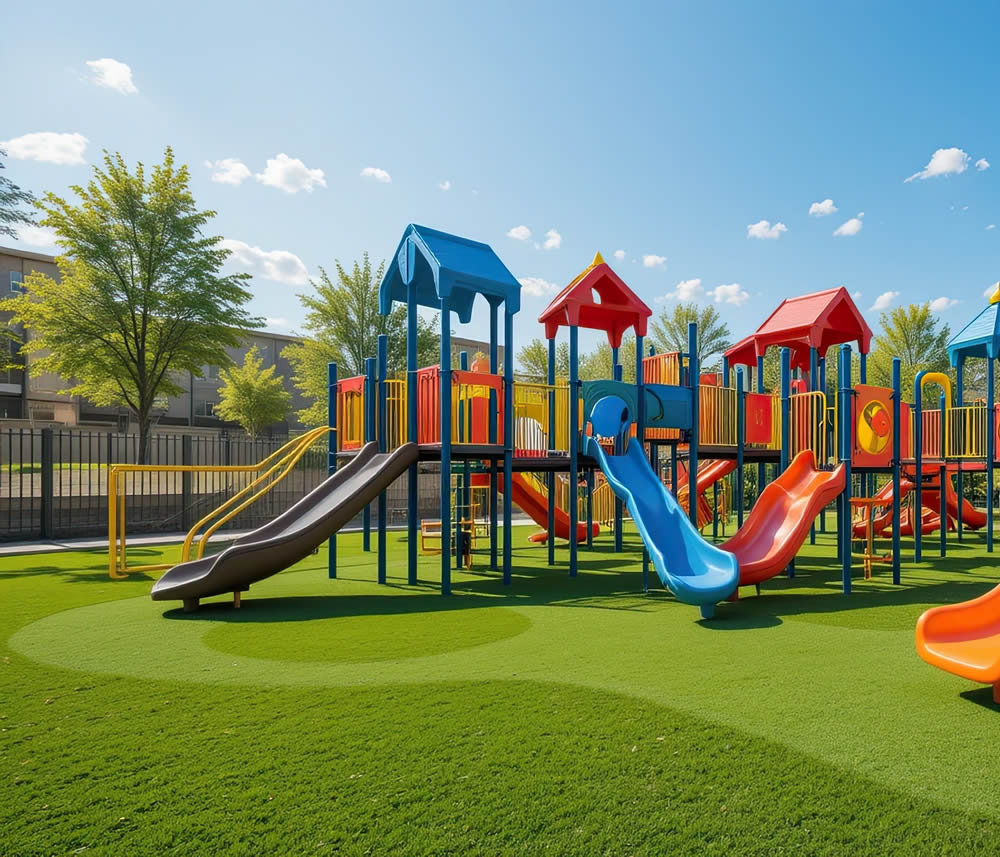
Cost should include more than installation. You should consider cleaning time, replacement parts, future repairs, and how quickly safety concerns can be corrected after someone notices them without delaying daily use.
The best playground fencing choice is usually the one that your team can keep safe after installation, not the one that looks best in a sample photo.
Conclusion
A safer play area starts with a fence that matches real use. Wood offers natural style, flexible design, and easier small repairs, but it needs regular care. Vinyl offers smooth surfaces, rot resistance, and lower routine upkeep, but repairs can involve larger sections and the design may be less flexible.
Look at your site, your gate needs, your supervision points, your weather exposure, and your maintenance plan. A fence around children should make the space easier to manage every day. When material, layout, and installation support that goal, the play area feels calmer, cleaner, and safer for everyone using it.
Frequently Asked Questions
Is wood fencing safe around a children’s play area?
Wood can be safe around a children’s play area when it is properly built, finished, and maintained. You should inspect it regularly for splinters, loose fasteners, cracked boards, leaning posts, and gate problems.
Is vinyl fencing better than wood for low maintenance?
Vinyl is usually easier to maintain because it does not need staining, sealing, or painting. You should still wash it when dirt, mildew, or grass stains build up, especially in damp or shaded areas.
Which fence material is easier to repair after damage?
Wood is often easier to repair in small sections because a single board or picket can usually be replaced. Vinyl repairs may require replacing a full panel or larger component, depending on the design.
What fence height works best for a play area?
The best fence height depends on the age of the children, nearby hazards, visibility needs, and local rules. You should check local requirements before installation and avoid designs that make climbing easier.
Should a play area fence have a locking gate?
A play area fence should have a secure gate that adults can use easily and children cannot open casually. For shared or public spaces, self closing and self latching hardware is often a smart safety feature.
Build A Safer Play Area With The Right Fence
→ Get expert guidance on choosing wood or vinyl for your play space
→ Receive a fence design that balances safety, durability, and appearance
→ Enjoy professional installation built for lasting performance
Connect with Fusion Fence Company to discuss the right fencing solution for your playground →
★★★★☆ Rated 4.7/5 by 152+ Homeowners for Reliable, Expert Fence Installation
Related Articles
Top 5 Reasons to Choose Professional Fence Installers