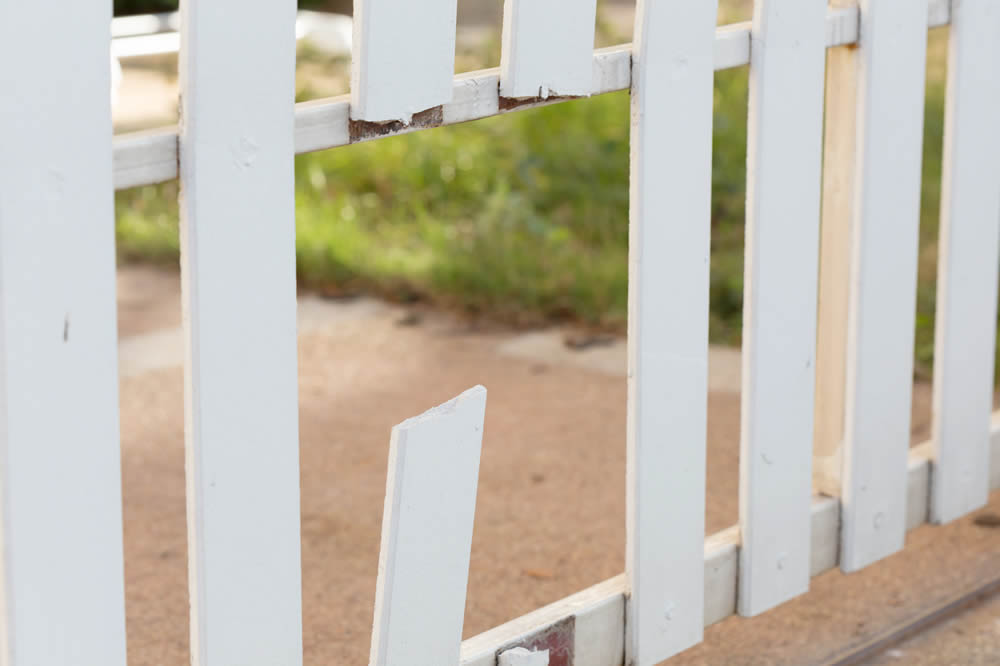
Last spring, a homeowner in West Chester Township called us about three broken pickets on her eight-year-old wood fence. She assumed a quick fix would handle it. When we arrived, we found those three visible pickets were just the beginning. The posts had rotted below ground level, the rails were pulling away from their brackets, and what looked like a minor problem was actually a fence nearing the end of its useful life. She had a choice to make, and it was not as simple as she first thought.
This scenario plays out across Cincinnati, Mason, Liberty Township, and throughout the Tri-State area every week. Homeowners spot damage and wonder whether a targeted fence repair will solve the problem or whether they are better off starting fresh with a new installation. The answer depends on several factors that most people never consider until they are standing in front of a damaged fence with a contractor’s estimate in hand.
This guide walks you through the practical questions that will help you make a smart decision for your property and your budget.
In This Post
- Understanding What Kind of Damage You Are Dealing With
- When Fence Repair Makes Financial and Practical Sense
- Signs That Full Replacement Is the Better Investment
- How Your Fence Material Affects the Decision
- Getting a Professional Assessment You Can Trust
Understanding What Kind of Damage You Are Dealing With
Not all fence damage is created equal. A fallen tree limb that snaps a few pickets is a completely different situation from widespread rot that has been developing for years. Before you can make a repair versus replacement decision, you need to understand what category your damage falls into.
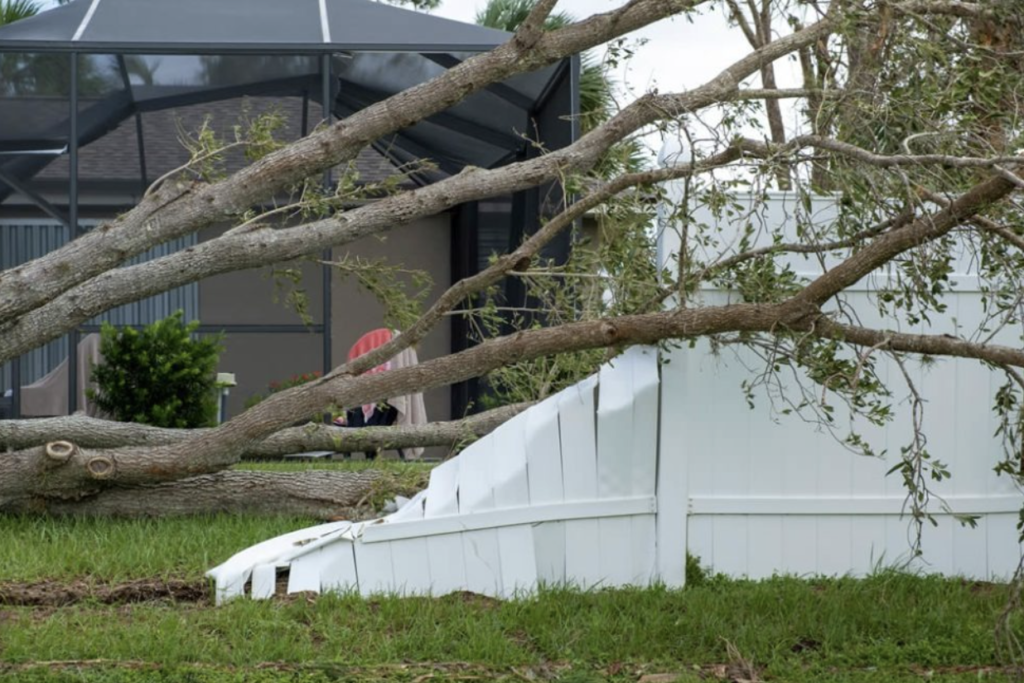
Surface damage includes issues like cracked or broken individual pickets, minor leaning, loose hardware, and cosmetic problems such as peeling paint or stain. These problems affect the appearance and sometimes the function of your fence, but they do not compromise the underlying structure. Surface damage is almost always repairable, and the repairs typically hold up well over time.
Structural damage goes deeper. This includes rotted posts, rails that have separated from posts, concrete footings that have shifted or cracked, and widespread deterioration that affects multiple sections. When structural components fail, repairs become more complicated and more expensive. You might fix one section only to have the neighboring section fail six months later.
Cincinnati’s weather creates specific challenges for fences. Our humid summers promote wood rot and mold growth. Winter freeze-thaw cycles shift the ground and stress fence posts. Spring storms bring wind damage that can take down entire sections. Understanding how local conditions have affected your fence helps you predict whether repairs will last or whether you are just postponing the inevitable.
When Fence Repair Makes Financial and Practical Sense
Fence repair is often the right choice when the damage is isolated, and the rest of the fence remains structurally sound. Here are the situations where repair typically makes the most sense for Cincinnati-area homeowners.
If your fence is less than ten years old and was built with quality materials, isolated damage is usually worth repairing. A fence that was properly installed with good lumber and solid posts has plenty of life left. Replacing a few boards or resetting a single post protects your original investment without the cost of starting over.
Storm damage that affects a limited area is another good candidate for repair. A heavy branch might crush one section while leaving the rest of your fence untouched. In these cases, replacing the damaged section makes perfect sense. The repaired area will match the existing fence in age and weathering within a season or two.
Gate problems often fall into the repair category. Gates take more abuse than fence sections because they move and bear weight differently. Sagging gates, broken hinges, and worn latches can usually be fixed without touching the rest of your fence. Sometimes a gate needs to be rebuilt entirely, but that is still a repair rather than a full replacement project.
Budget constraints are a legitimate factor in this decision. If replacement is not financially possible right now, strategic repairs can extend your fence’s life while you save for a future replacement. The key is being honest about whether repairs will buy you meaningful time or just delay an expense by a few months.
Signs That Full Replacement Is the Better Investment
Sometimes repairs are not the smart financial move, even when they are technically possible. Here are the warning signs that point toward replacement as the better long-term decision.
When more than a third of your fence shows significant damage or deterioration, replacement usually makes more sense than piecemeal repairs. At this point, you are likely to spend nearly as much on repairs as you would on a new fence, and you will end up with a patchwork result that does not look as good or last as long.
Post rot is a major red flag. Posts are the foundation of your fence, and when they fail, everything attached to them becomes unstable. If multiple posts have rotted at or below ground level, the cost and disruption of replacing them often approaches the cost of a new fence. You also risk damaging adjacent sections during the repair process.
Age matters more than most homeowners realize. A wood fence that has been standing for fifteen to twenty years has likely reached the end of its expected lifespan, even if it still looks acceptable from a distance. The wood fibers have weakened, the hardware has corroded, and the posts have absorbed years of moisture. Repairs on a fence this old tend to trigger a cascade of additional problems.
Consider replacement if you are unhappy with your current fence’s style, height, or layout. Repairs lock you into your existing design. If you have been thinking about upgrading to a taller privacy fence, switching from chain link to wood, or adjusting your fence line, damage can be the catalyst that makes those changes practical.
Property value matters too. If you are planning to sell your home in the next few years, a new fence can improve curb appeal and buyer perception in ways that a visibly repaired fence cannot. Buyers notice when a fence looks patched together, and they factor that into their offers.
How Your Fence Material Affects the Decision
Different fence materials age and fail in different ways, which affects whether repair or replacement is the smarter choice.
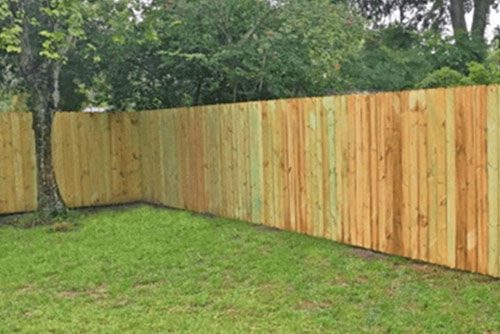
Wood fences are the most common in the Cincinnati area, and they present the widest range of repair scenarios. The quality of the original lumber makes a huge difference. Fences built with premium red pine pickets hold up much better than those built with lower-grade yellow pine. Red pine’s tighter grain resists moisture absorption and rot, which means repairs on a red pine fence are more likely to succeed because the surrounding wood remains sound. If your fence was built with inferior lumber, repairs may not hold because the wood around the repair site is already compromised.
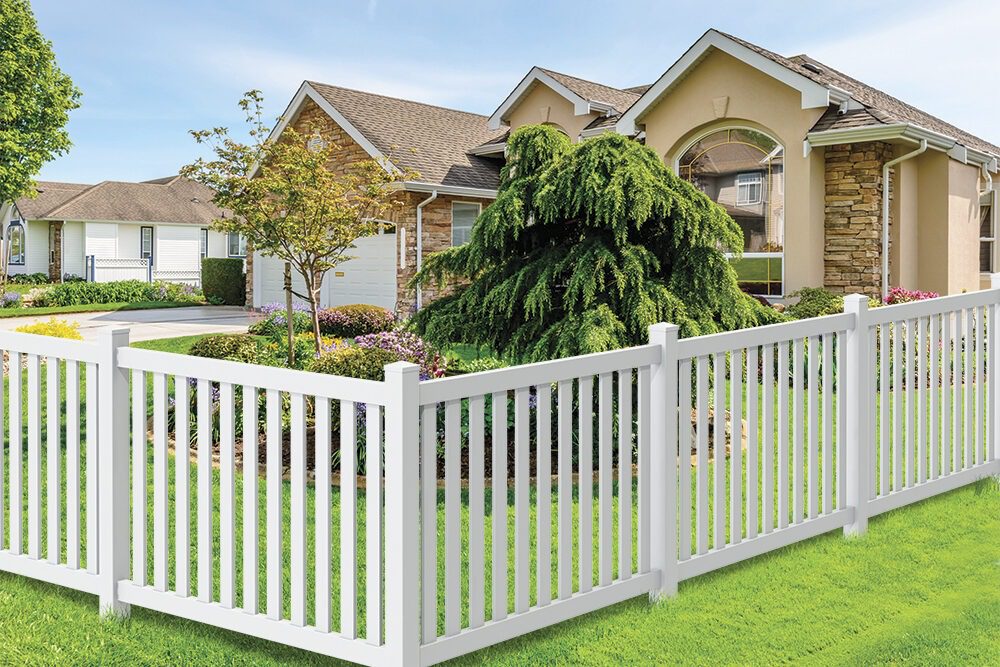
Vinyl and PVC fences rarely need the kind of repairs that wood fences require. They do not rot, and they resist insect damage. However, when vinyl fences do fail, it is usually due to impact damage or UV degradation. Cracked panels can often be replaced individually, but faded or brittle vinyl throughout the fence usually means replacement is the better option. Matching new vinyl panels to old ones can be difficult because colors shift over time.
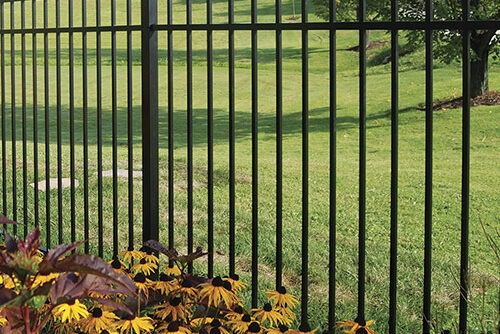
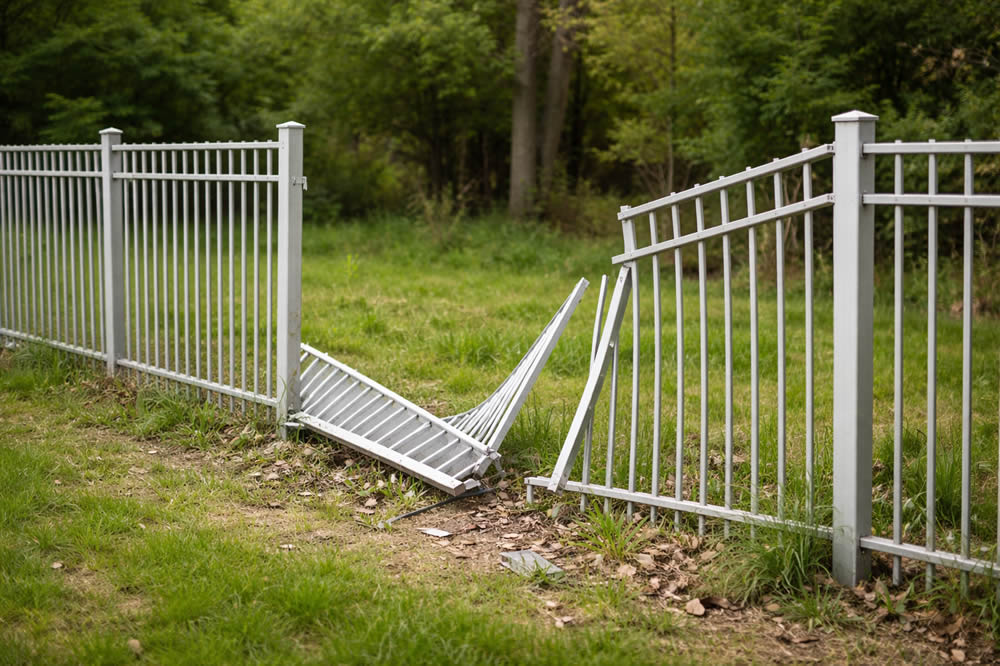
Aluminum fences are durable and low-maintenance, but they can bend or break under impact. Individual pickets and rails can usually be replaced without affecting the rest of the fence. Aluminum does not corrode like steel, so age alone is rarely a reason to replace an aluminum fence. If the posts are still solid and plumb, repairs are usually straightforward.
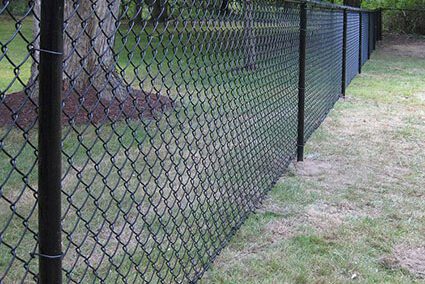
Chain link fences are the most forgiving when it comes to repairs. Damaged fabric can be patched or replaced in sections. Posts and rails can be reset or replaced individually. Chain link is also the most affordable to replace entirely, which sometimes makes replacement the simpler option even when repairs are possible.
Getting a Professional Assessment You Can Trust
The repair versus replacement decision is difficult to make accurately without professional input. A qualified fence contractor can identify problems that are not visible to homeowners and give you realistic expectations about how long repairs will last.
When you schedule an assessment, look for a contractor who will examine your fence thoroughly rather than just looking at the obvious damage. A good inspection includes checking post stability by pushing on them, examining wood for soft spots that indicate rot, looking at hardware and fasteners for corrosion, and assessing the overall alignment of the fence line.
Ask the contractor to explain what they find and why they are recommending repair or replacement. A trustworthy contractor will show you the specific problems and help you understand the trade-offs involved in each option. Be cautious of anyone who pushes hard for replacement without explaining the reasoning or who dismisses your questions about repair options.
Get the recommendation in writing, along with a detailed estimate. The estimate should break down labor and materials so you can see exactly what you are paying for. If repairs are recommended, ask about warranty coverage on the work. If replacement is recommended, ask about material options and how different choices affect longevity and price.
At Fusion Fence Company, we have been helping Cincinnati-area homeowners make these decisions since 1998. We serve West Chester Township, Mason, Liberty Township, Eastern Indiana, and Northern Kentucky. Our approach is straightforward. We tell you what we find, explain your options honestly, and let you make the decision that is right for your situation and budget. We offer financing options for homeowners who decide replacement is the right choice but need flexibility on payment.
Whether you need a simple fence repair or a complete replacement, the goal is the same. You want a fence that looks good, functions properly, and lasts for years to come. Making the right decision now saves you money and frustration down the road.
If you are looking at fence damage and wondering which direction to go, we are happy to take a look and give you an honest assessment. Reach out to schedule a consultation at https://fusionfencecompany.com/, and we will help you figure out the best path forward for your property.