Winter in Cincinnati can be tough on fences. Between freezing temperatures, snow buildup, ice, and strong winds, your fence takes more stress than you might realize. When spring arrives, many homeowners are surprised to find leaning posts, loose boards, or hidden structural damage that developed over the colder months.
If you’ve been putting off a fence inspection, now is the time. Small issues can quickly turn into expensive repairs if ignored. A simple checklist can help you spot problems early and decide what needs attention. And if the process feels overwhelming, working with a trusted local expert like Fusion Fence Company can make repairs or replacements much easier and more efficient.
Table of Contents
- Why Winter Fence Damage Impacts Value
- How Fixing or Improving This Solves the Problem
- Choosing the Right Solution
- Final Thoughts
- FAQs
Why Winter Fence Damage Impacts Value
Your fence does more than define your property. It provides privacy, security, and adds to your home’s overall appearance. When winter damage goes unnoticed, it can weaken the structure and reduce the lifespan of your fence.
Ignoring small issues can lead to larger problems like full panel replacements or even complete fence failure. That means higher costs, safety risks, and a drop in property value. On the other hand, catching damage early keeps repair costs low, maintains curb appeal, and ensures your fence continues to do its job.
1. Leaning or Tilting Fence Posts
One of the most obvious signs of winter damage is a fence that no longer stands straight. Freezing and thawing cycles can shift the ground, loosening the soil around posts.
This matters because fence posts are the foundation of the entire structure. When they lean, the rest of the fence becomes unstable.
If the tilt is minor, resetting or reinforcing the post may be enough. But if the post is severely shifted or the base is damaged, replacement is usually the better long-term solution.
2. Cracked or Split Wood Panels
Cold weather can cause wood to contract and expand, leading to cracks or splits. Snow and ice sitting on the fence can make the problem worse.
Cracked panels weaken the fence and allow moisture to seep in, accelerating damage.
Small cracks can sometimes be sealed or repaired. However, larger splits often mean the panel should be replaced to maintain strength and appearance.
3. Loose or Missing Fasteners
Nails, screws, and brackets can loosen over time, especially during harsh winter conditions.
This issue might seem minor, but loose fasteners can cause sections of your fence to sag or detach.
If caught early, tightening or replacing hardware is a simple fix. If left unattended, it can lead to structural damage requiring more extensive repairs.
4. Rot and Moisture Damage
Snow and ice create constant moisture exposure, which is a major concern for wooden fences.
Rot weakens the wood and can spread quickly if not addressed. You may notice soft spots, discoloration, or crumbling wood.
If rot is limited to a small area, partial repair may work. But widespread rot usually means replacing affected sections or upgrading materials.
5. Warped or Twisted Boards
Temperature changes and moisture can cause boards to bend or twist.
Warped boards not only look unattractive but also create gaps that reduce privacy and security.
In some cases, boards can be adjusted or reinforced. If the warping is severe, replacement is the better option.
6. Rust on Metal Fences or Hardware
Metal fences and components are not immune to winter damage. Snow, salt, and moisture can lead to rust.
Rust weakens metal over time and affects both appearance and durability.
Surface rust can often be cleaned and treated. However, deeper corrosion may require replacing sections or hardware.
7. Frost Heave Damage
Frost heave occurs when freezing ground pushes posts upward, shifting their position.
This can cause uneven fence lines and gaps at the bottom.
Minor movement can sometimes be corrected by resetting posts. Significant frost heave damage often requires deeper installation or new footings.
8. Gate Misalignment or Dragging
Gates are especially vulnerable because they move and carry weight.
After winter, you may notice your gate no longer closes properly or drags on the ground.
This affects both convenience and security. Adjustments or hinge replacements can fix minor issues, but structural damage may require a new gate.
9. Discoloration or Fading
Winter weather can strip protective finishes from wood and fade paint or stain.
While this might seem cosmetic, it exposes the material to further damage.
Re-staining or painting can restore protection. If the wood underneath is damaged, more extensive repairs may be needed.
10. Soil Erosion Around Fence Line
Melting snow and ice can wash away soil around your fence posts.
This reduces stability and can lead to leaning or collapse.
Adding soil and reinforcing the base may solve minor erosion. In severe cases, posts may need to be reset or replaced.
How Fixing Winter Fence Damage Solves the Problem
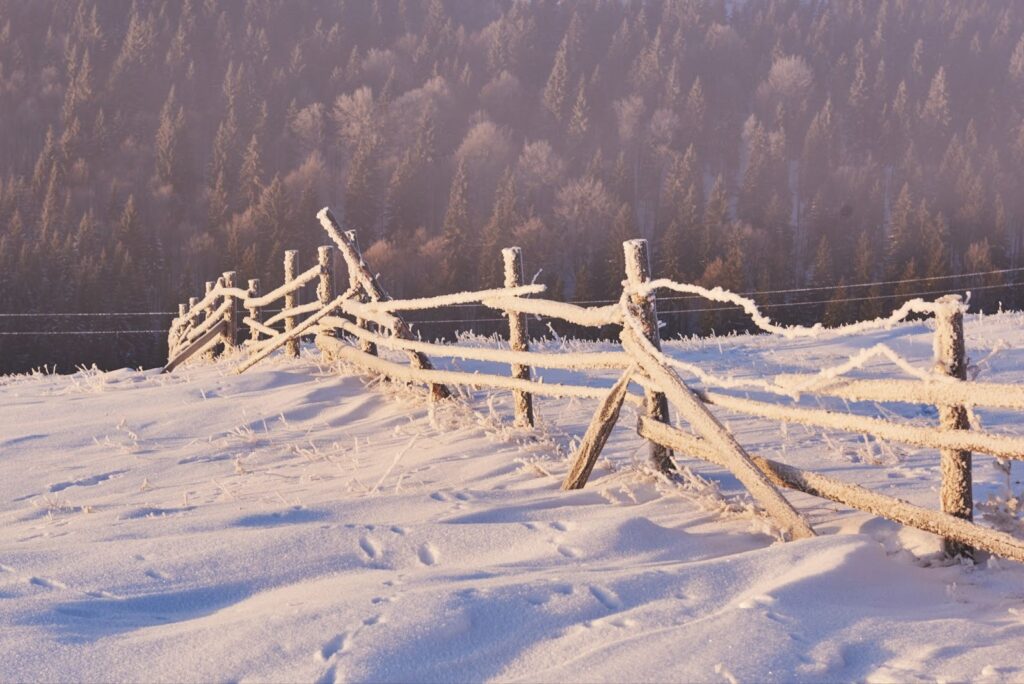
Addressing winter fence damage early gives you more control over costs and outcomes. Small repairs are almost always more affordable than waiting until the damage spreads.
Fixing these issues improves safety, keeps your property secure, and restores your fence’s appearance. It also extends the life of your investment, helping you avoid premature replacement.
In the long run, regular maintenance and timely repairs protect both your home’s value and your peace of mind.
Choosing the Right Solution for Cincinnati Area Homes
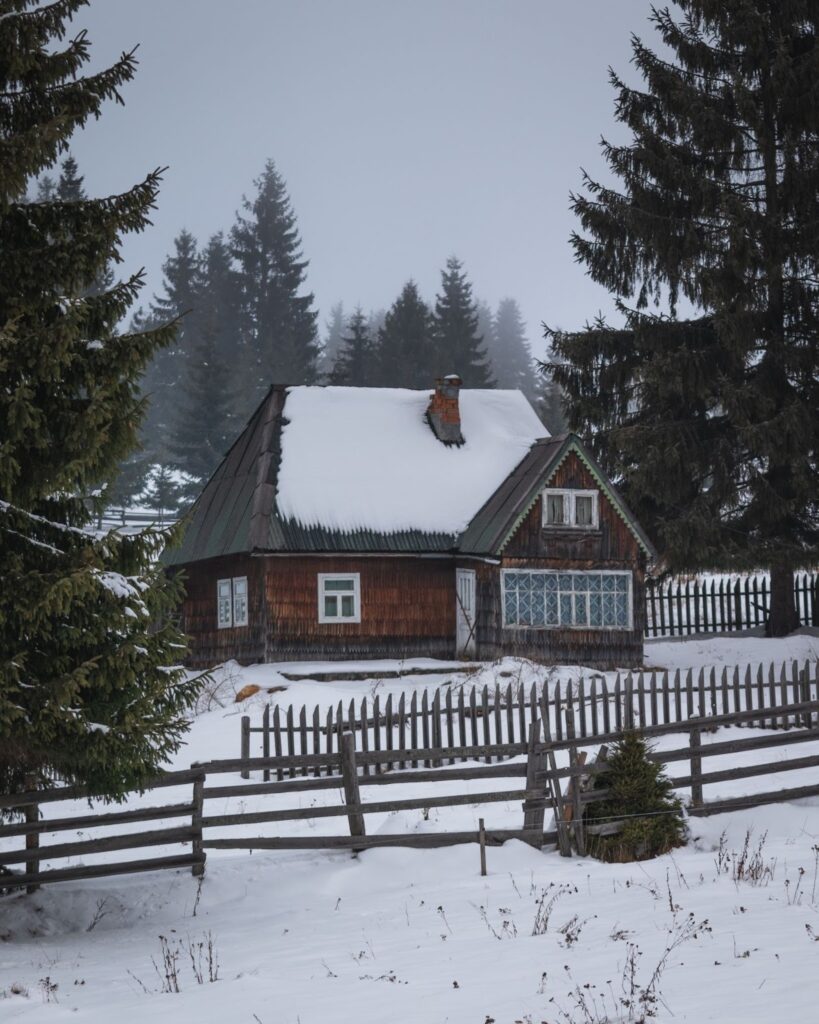
Not every fence issue requires the same approach. The right solution depends on the type of damage, the material, and the age of your fence.
Repairs are ideal when damage is limited and the structure is still strong. They are cost-effective and quick.
Replacement makes more sense when damage is widespread or the fence is nearing the end of its lifespan. While it costs more upfront, it provides better long-term value.
You should also consider upgrading materials. For example, switching to vinyl or treated wood can reduce future maintenance needs.
If you’re unsure, a professional inspection can help you make the right decision without guesswork.
Final Thoughts
Winter can take a serious toll on your fence, but a careful inspection can help you catch problems before they get worse. By understanding what to look for, you can protect your property and avoid unnecessary expenses.
Taking action now means fewer headaches later. Whether it’s a small repair or a full upgrade, addressing damage early always pays off.
Ready to Restore Your Fence?
- Get a professional assessment of winter damage
- Receive clear recommendations for repair or replacement
- Improve the safety, appearance, and value of your property
Schedule Your Consultation With Fusion Fence Company →
★★★★☆ Rated 4.6/5 by 129+ Homeowners for Expert Fencing Solutions
FAQs
How soon should I inspect my fence after winter?
As soon as the snow melts and temperatures stabilize, it’s a good time to inspect your fence.
Can I repair the fence damage myself?
Minor fixes like tightening screws are manageable, but structural issues often require professional help.
How long does a typical fence last in Cincinnati?
It depends on the material, but most fences last 10–20 years with proper maintenance.
What’s the most common winter fence issue?
Leaning posts and moisture-related damage are among the most common problems.
Is it better to repair or replace my fence?
If damage is minor, repair is usually enough. For widespread issues, replacement is often the better investment.
Related Articles