Choosing the Right Livestock Fence for Your Farm and Animals
Table of Contents
1. Introduction
2. Why Livestock Fencing Matters
3. Determining the Purpose of Your Fence
4. Choosing Fencing Based on Livestock Type
5. Special Considerations for Horse Fencing
6. Fence Materials and Their Benefits
7. Planning for Long-Term Durability
8. Working with a Professional Fence Company
9. Conclusion
10. FAQs
Choosing the Right Livestock Fence for Your Farm and Animals
When it comes to managing livestock, few investments are as important as a properly designed fence. A quality fence protects animals, secures property boundaries, supports daily farm operations, and provides peace of mind for owners. However, there is no one-size-fits-all solution. The ideal fence depends on your livestock, property layout, management goals, and long-term plans.
Whether you own a small hobby farm, a horse property, or a large agricultural operation, selecting the right fencing system is essential. Understanding your specific needs can help ensure your fence performs effectively for years while keeping your animals safe and secure.
Why Livestock Fencing Matters
Livestock fencing serves multiple purposes beyond simply keeping animals contained. A well-planned fencing system helps create a safer environment for both animals and property owners while improving farm efficiency.
Proper fencing can:
* Prevent livestock from escaping
* Protect animals from predators
* Separate different groups of animals
* Support rotational grazing programs
* Protect crops and landscaping
* Define property boundaries
* Improve overall farm organization
Poorly designed or inadequate fencing can lead to injuries, animal loss, property damage, and increased labor. Investing in the right fence from the beginning often saves significant time and expense in the future.
Determining the Purpose of Your Fence
One of the first questions to ask is: What is the primary purpose of the fence?
The answer will influence the type of materials, height, strength, and design required.
Containment
For many property owners, the primary goal is simply keeping livestock safely within designated areas. Different animals place different demands on fencing systems. Larger animals may require stronger materials, while smaller animals may need tighter spacing between fence rails or wires.
Breeding Separation
Many farms require fencing that separates breeding animals, protects young livestock, or creates designated management areas. Strong, reliable fencing helps prevent unwanted interactions and provides better control over livestock populations.
Pasture Rotation
Rotational grazing has become increasingly popular because it promotes healthier pastures and improves forage utilization. Fencing plays a critical role by allowing farmers to divide grazing areas into manageable sections.
Temporary fencing solutions may work well for some rotational systems, while permanent perimeter fencing provides long-term security.
Property Security
In some cases, fencing serves a security function by discouraging trespassing, protecting valuable livestock, and limiting unauthorized access to the property. Security-focused fencing often combines durability with visibility and may include gates and access control features.
Choosing Fencing Based on Livestock Type
Every species has unique behaviors and physical characteristics that influence fencing requirements.
Cattle Fencing
Cattle generally require strong fencing capable of withstanding pressure from large animals. High-tensile wire, woven wire, and board fencing are common choices.
Key considerations include:
* Fence visibility
* Strength and durability
* Proper post spacing
* Resistance to leaning and rubbing
Sheep and Goat Fencing
Sheep and goats are known for testing fences and finding escape routes. These animals often require woven wire fencing with smaller openings to prevent climbing, squeezing through gaps, or becoming entangled.
Many property owners also incorporate electric fencing for additional security.
Poultry Fencing
Chickens, ducks, and other poultry require fencing designed to keep birds contained while protecting them from predators. Wire mesh fencing and enclosed runs are common solutions.
Height and overhead protection may be necessary depending on the species and predator concerns.
Mixed Livestock Operations
Properties with multiple livestock species often require customized fencing solutions. What works for cattle may not work for goats, and horse fencing has its own unique requirements.
Careful planning helps ensure all animals remain safely contained while minimizing maintenance challenges.
Special Considerations for Horse Fencing
Horse fencing deserves special attention because horses are particularly susceptible to injury from inappropriate fencing materials.
Unlike some livestock, horses often run at high speeds and can become seriously injured if they collide with or become entangled in a fence. As a result, safety should always be the top priority.
Visibility Is Essential
Horses benefit from highly visible fencing that allows them to clearly identify property boundaries and pasture divisions.
Popular options include:
* Wood board fencing
* Vinyl fencing
* Flexible rail systems
* Specialized horse fencing products
These options provide excellent visibility while reducing the risk of injury.
Avoid Hazardous Materials
Certain fencing materials may pose risks to horses. Barbed wire, for example, can cause severe injuries if a horse becomes caught or attempts to cross a fence line.
Selecting horse-safe materials helps protect both the animals and the investment you’ve made in them.
Proper Height Matters
Fence height should be appropriate for the size and breed of horse being contained. Most horse fences are designed to discourage jumping while maintaining visibility and safety.
Professional fence installers can recommend the ideal height and layout based on your specific property and horses.
Balancing Safety and Appearance
Many horse owners want fencing that not only protects their animals but also enhances the appearance of their property.
Modern horse fencing solutions offer an attractive balance of safety, durability, and curb appeal. Whether you prefer traditional wood fencing or low-maintenance vinyl alternatives, today’s options can complement virtually any farm or equestrian facility.
Fence Materials and Their Benefits
The material you choose plays a major role in your fence’s performance and maintenance requirements.
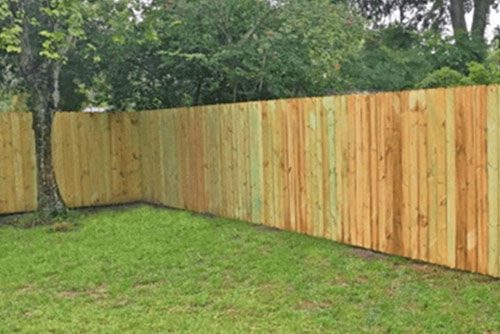
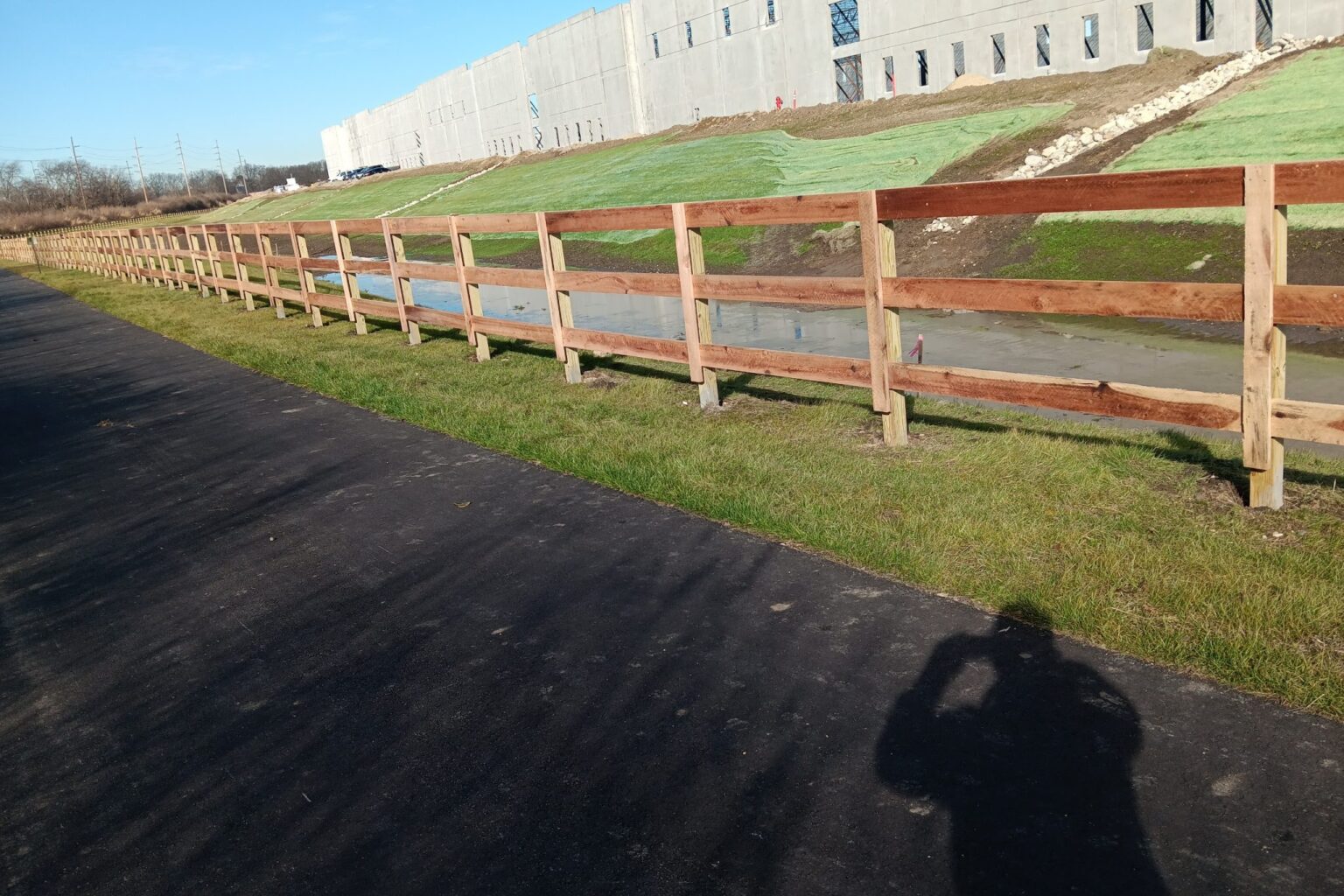
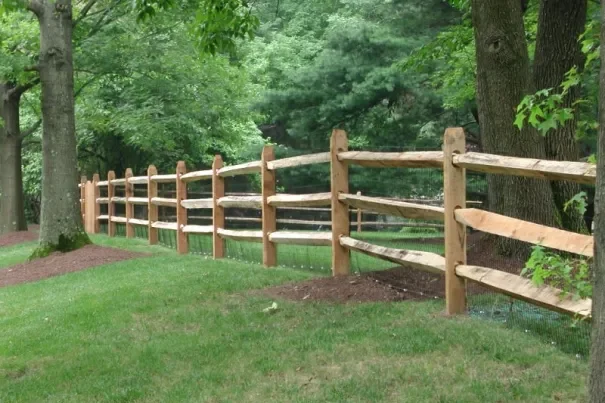
Wood Fencing
Wood remains a popular choice for horse properties and farms seeking a traditional appearance.
Benefits include:
* Excellent visibility
* Attractive appearance
* Strong containment
* Customizable designs
However, wood typically requires ongoing maintenance and periodic repairs.
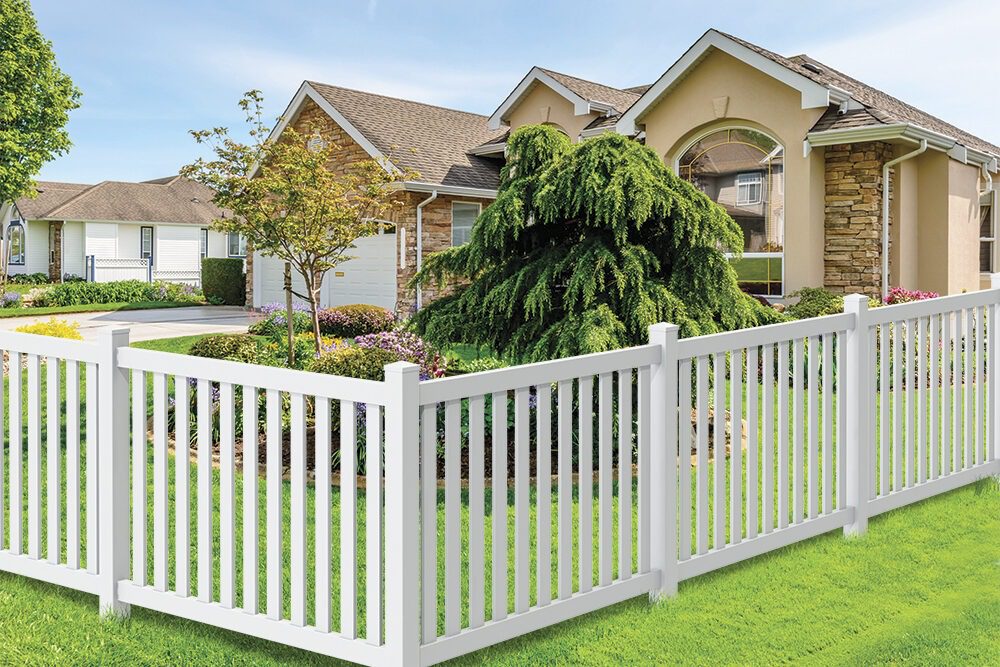
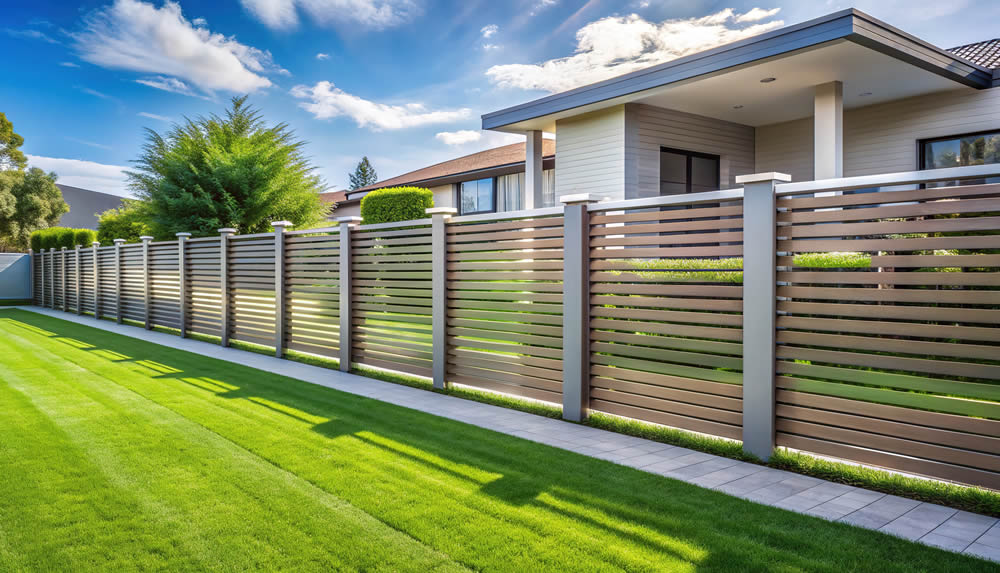
Vinyl Fencing
Vinyl fencing offers many of the visual benefits of wood while requiring significantly less maintenance.
Advantages include:
* Long-lasting durability
* Weather resistance
* Minimal upkeep
* Clean appearance
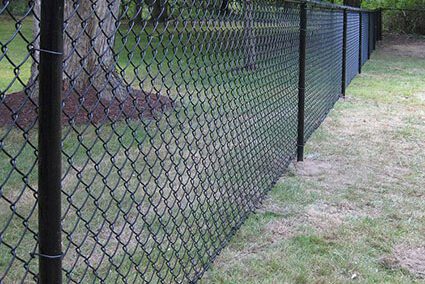
Wire Fencing
Wire fencing is commonly used for cattle, sheep, and large agricultural operations.
Benefits include:
* Cost-effectiveness
* Versatility
* Strong containment
* Scalability for large properties
Planning for Long-Term Durability
A livestock fence is a significant investment. Choosing materials based solely on initial cost can lead to higher expenses over time due to repairs and replacement.
Consider factors such as:
* Weather exposure
* Soil conditions
* Livestock pressure
* Maintenance requirements
* Expected lifespan
A professionally designed fence should provide years of reliable service while minimizing ongoing upkeep.
Working with a Professional Fence Company
Livestock fencing requires careful planning and proper installation. Fence placement, post depth, terrain challenges, gate locations, and livestock behavior all affect performance.
Working with experienced fencing professionals can help ensure your investment meets your needs both now and in the future.
For property owners throughout Greater Cincinnati, Fusion Fence Company provides expert guidance on livestock fencing solutions, horse fencing, agricultural fencing, and customized installations. Their team can help evaluate your property, understand your goals, and recommend fencing systems that provide both safety and long-term value.
Professional installation helps ensure proper fence alignment, secure post placement, and durable construction capable of standing up to daily use and changing weather conditions.
Conclusion
The right livestock fence depends on several factors, including your animals, property layout, management goals, and budget. Whether you’re focused on containment, breeding separation, pasture rotation, or property security, selecting the appropriate fencing system is essential for protecting your livestock and maximizing farm efficiency.
Horse owners, in particular, should prioritize safety, visibility, and durability when evaluating fencing options. By understanding the unique needs of your livestock and working with experienced professionals, you can create a fencing solution that serves your property for years to come.
Frequently Asked Questions
1. What is the best fencing for horses?
Horse fencing should prioritize safety and visibility. Popular choices include wood board fencing, vinyl fencing, and specialized horse fencing systems designed to reduce injury risks while providing secure containment.
2. How tall should a livestock fence be?
Fence height varies based on the type of animal being contained. Horses generally require taller fencing than sheep or goats. A professional fence contractor can recommend appropriate heights for your livestock.
3. Is electric fencing safe for livestock?
Yes, when properly installed and maintained, electric fencing can be a safe and effective containment solution for many livestock species. It is commonly used for cattle, rotational grazing systems, and supplemental perimeter control.
4. How long does livestock fencing typically last?
Lifespan depends on the material, installation quality, climate, and maintenance. Vinyl and high-quality wire fencing often provide decades of service, while wood fencing may require more frequent maintenance and repairs.
5. Should I hire a professional livestock fence installer?
Professional installation is highly recommended. Experienced contractors can ensure proper fence design, material selection, post placement, and long-term durability while helping you avoid costly mistakes.