When to stain a new fence
When to Stain a New Fence: Timing is Everything
A new fence is a significant investment in your home’s privacy, security, and curb appeal. To ensure it remains in top condition for years to come, staining is a crucial step in the maintenance process. But when is the best time to stain your new fence? Timing is everything, and getting it right can make a world of difference in the durability and appearance of your fence. Here’s what you need to know.
Why Stain Your Fence?
Before diving into the timing, let’s briefly touch on why staining is important. Staining your fence provides a protective layer that shields the wood from the harsh effects of weather, including rain, snow, and UV rays from the sun. It helps prevent the wood from warping, cracking, and deteriorating over time. Additionally, staining enhances the natural beauty of the wood, bringing out its rich colors and grain patterns.
Understanding Wood Moisture Content
The key factor in determining when to stain your new fence is the moisture content of the wood. Freshly installed fences, especially those made from pressure-treated wood, often contain a significant amount of moisture. Staining wood with high moisture content can trap water inside, leading to peeling, cracking, and a less durable finish.
When to Stain: Timing Guidelines
Pressure-Treated Wood
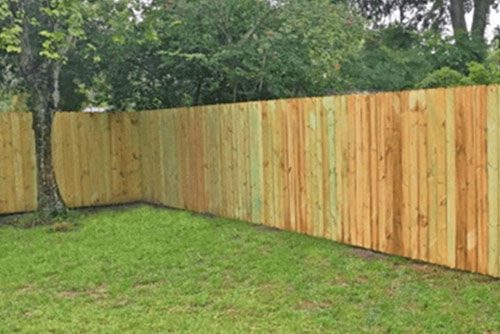
Pressure-treated wood is a popular choice for fencing due to its resistance to rot and insects. However, this type of wood is often saturated with chemical preservatives that take time to dry out. Generally, you should wait **3 to 6 months** before staining a pressure-treated wood fence. This allows the wood to dry sufficiently and ensures the stain adheres properly.
Cedar and Redwood
Cedar and redwood are naturally resistant to decay and have lower moisture content compared to pressure-treated wood. These types of wood can typically be stained **1 to 2 months** after installation. However, it’s always wise to check the moisture content with a moisture meter. Aim for a moisture level of 12% or less before applying stain.
Kiln-Dried Lumber
Some fences are built using kiln-dried lumber, which has already been dried in a controlled environment. If you have a fence made from kiln-dried wood, you can stain it much sooner—sometimes within **a few weeks** after installation. Again, checking the moisture content is recommended.
The Best Weather Conditions for Staining
Staining should be done during favorable weather conditions to ensure the best results. Here are a few tips:
Temperature
The ideal temperature for staining is between 50°F and 80°F. Avoid staining in direct sunlight or on extremely hot days, as this can cause the stain to dry too quickly and result in uneven application.
Dry Weather
Ensure there is no rain in the forecast for at least 24 to 48 hours after staining. Rain can wash away the stain or cause it to blotch.
Low Humidity
High humidity can prolong drying times and affect the stain’s ability to penetrate the wood. Choose a day with moderate to low humidity for staining.
How to Test if Your Fence is Ready for Staining
If you’re unsure whether your fence is ready for staining, try the **water test**. Sprinkle a few drops of water on the wood surface. If the water beads up, the wood is still too wet to stain. If the water absorbs into the wood within a few seconds, it’s ready for staining.
Staining your new fence at the right time is crucial for long-lasting protection and beauty. Rushing the process can lead to poor results, while waiting too long can leave your fence vulnerable to damage. By understanding the type of wood your fence is made from and monitoring its moisture content, you can determine the optimal time to stain. When done correctly, staining will extend the life of your fence and keep it looking great for years to come.
Remember, patience and proper preparation are key. Happy staining!