The History of Fence installation in Cincinnati: A Journey Through Time
Fences have long been a part of the American landscape, and Cincinnati is no exception. From the early wooden enclosures that marked the boundaries of pioneer homesteads to the ornate ironwork that graced the gardens of the Victorian era, the history of fences in Cincinnati is a reflection of the city’s growth, cultural influences, and changing architectural styles.
Early Settlements and the First Fence
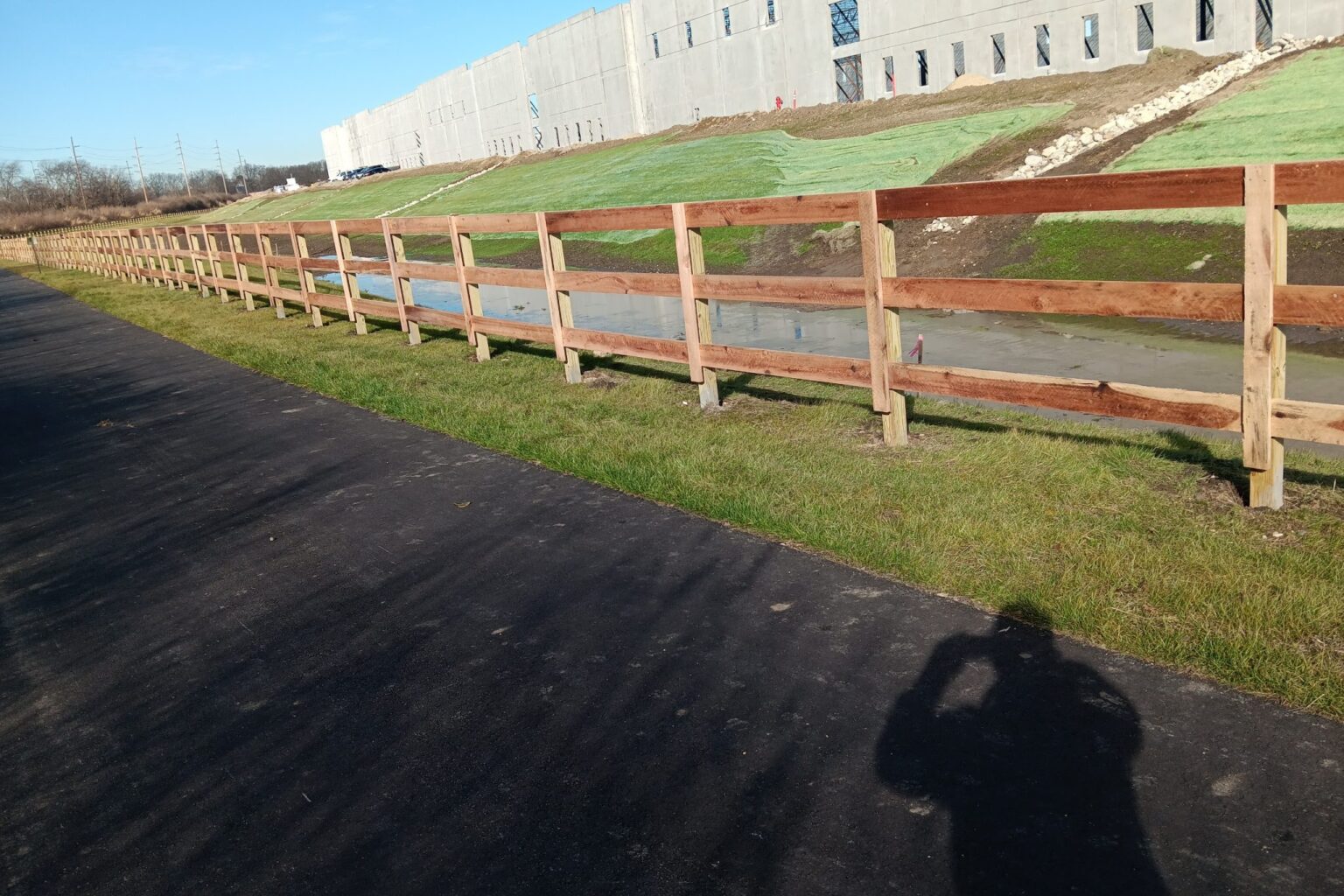
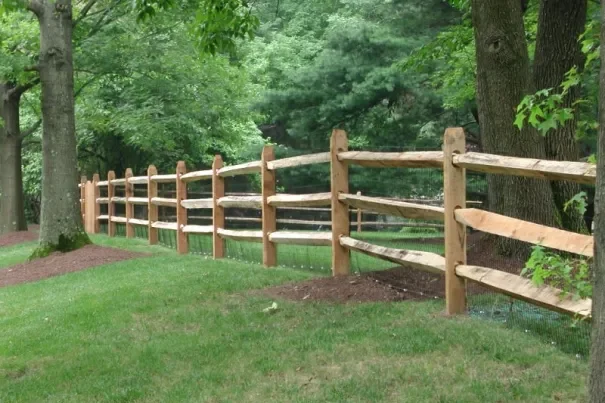
Cincinnati, founded in 1788, was initially a frontier outpost. The early settlers faced the challenge of establishing clear boundaries for their land, protecting their crops, and keeping livestock secure. The first fences were simple and functional, typically made from wood. Split-rail fences, made from the abundant timber in the region, were common. These fences were practical for marking property lines and corralling animals, helping to establish the fledgling community’s agricultural foundation.
As the city grew, the need for more organized land division became apparent. Fences played a crucial role in this, helping to delineate public and private spaces. In rural areas surrounding Cincinnati, the post-and-rail fences continued to dominate, while in the town center, more formal enclosures began to appear around homes and businesses.
The 19th Century: Ornamental Iron and the Rise of Urban Fencing
The 19th century brought significant changes to Cincinnati, including a population boom and rapid urbanization. As the city expanded, so did the diversity of its fences. The Industrial Revolution made new materials like iron more affordable, leading to the popularity of ornamental iron fences. These fences, often highly decorative with intricate patterns and finials, became a symbol of status and wealth.
In the city’s burgeoning neighborhoods, fences served not just a practical purpose but also a decorative one. The iron fences of this era often framed well-kept gardens, adding to the aesthetic appeal of Cincinnati’s Victorian homes. Public spaces, such as parks and cemeteries, also embraced the trend, with beautiful wrought-iron fences becoming a common sight.
The 20th Century: New Materials and Modernization
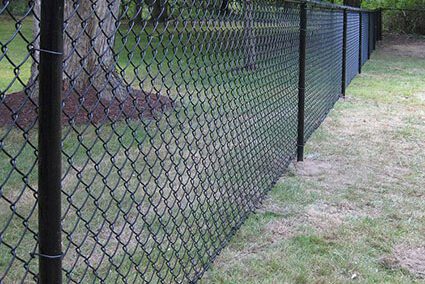
The 20th century saw further evolution in fence design and materials. As Cincinnati continued to grow, suburban development led to the rise of new fencing needs. Privacy and security became more prominent concerns for homeowners, leading to the adoption of chain-link fences, particularly in urban and suburban areas. While not as visually striking as the iron fences of the previous century, chain-link fences were durable, affordable, and practical.
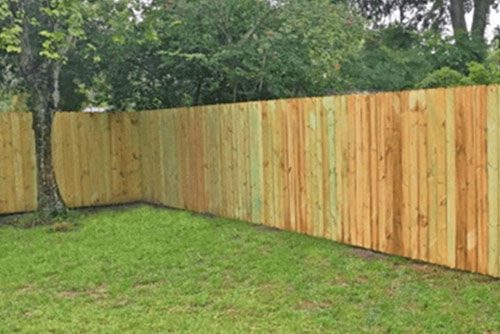
Wooden privacy fences also became popular during this time, especially in the post-World War II housing boom. The emphasis on backyard living and outdoor spaces led to the creation of fences that offered seclusion and defined personal property.
The Late 20th Century to Present: A Blend of Tradition and Innovation
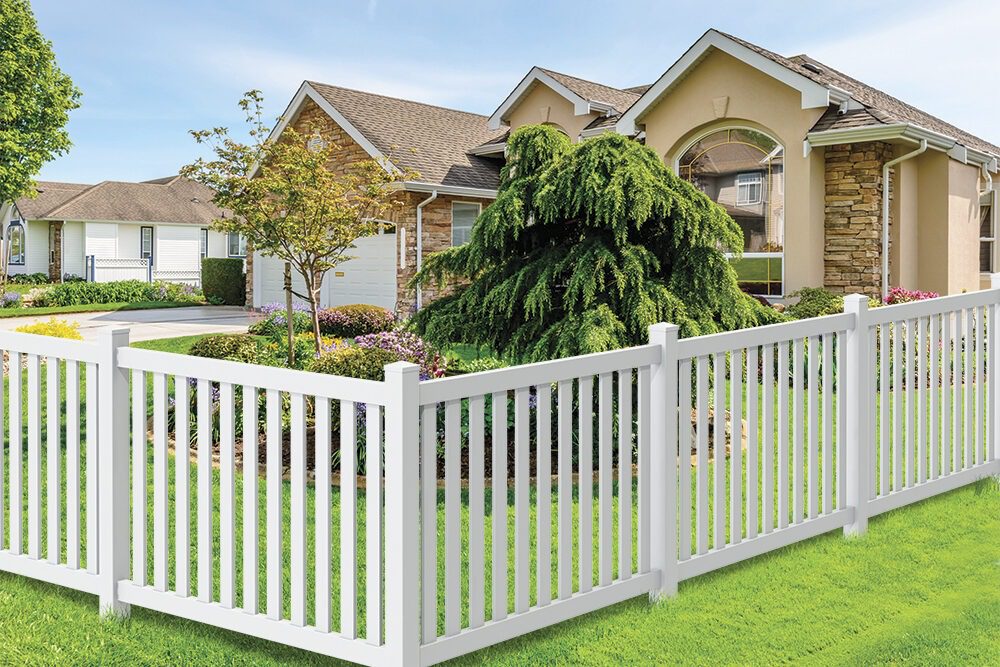
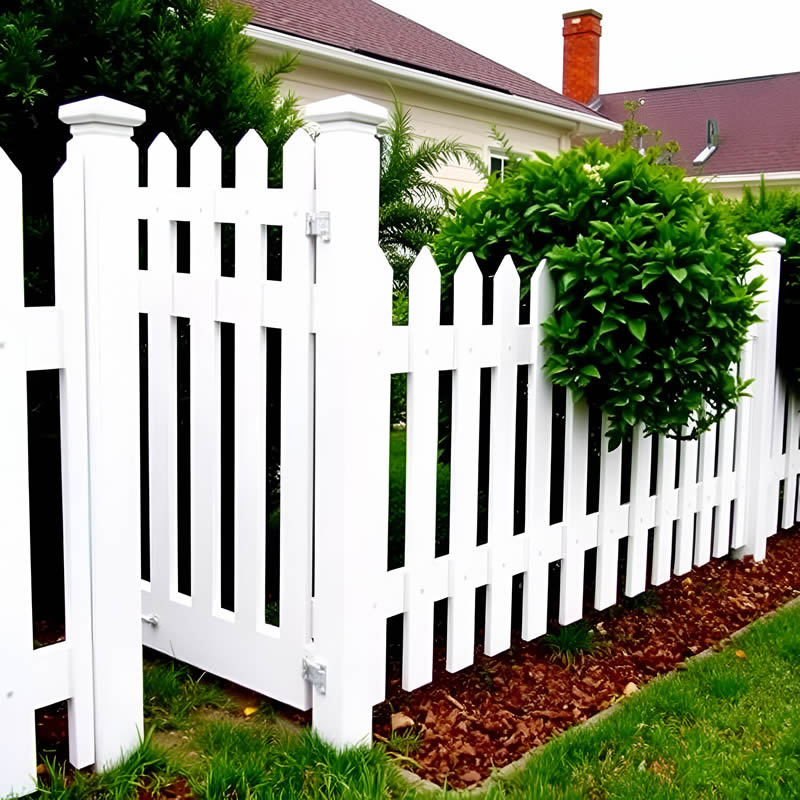
In recent decades, Cincinnati has seen a blend of traditional fence styles with modern innovations. Vinyl and composite materials have emerged as popular choices, offering the look of wood or iron with less maintenance. These materials have been particularly favored in residential areas, where homeowners seek both aesthetic appeal and longevity.
The historical districts of Cincinnati have preserved many of the city’s older fence styles, with wrought iron and wooden picket fences still gracing the streets of neighborhoods like Over-the-Rhine and the East End. These fences, often restored or replicated to maintain historical accuracy, contribute to the city’s rich architectural heritage.
Meanwhile, contemporary designs have brought new life to the fence industry in Cincinnati. Modern fences often combine materials like metal and wood or incorporate unique patterns and colors, reflecting current architectural trends and the city’s diverse culture.
Conclusion
The history of fences in Cincinnati is a microcosm of the city’s broader evolution. From the practical wooden barriers of the early settlers to the decorative ironwork of the 19th century and the modern materials of today, fences have played an essential role in shaping the city’s landscape. They tell the story of Cincinnati’s growth, its changing needs, and its enduring commitment to both functionality and beauty in its built environment. As the city continues to evolve, so too will its fences, always reflecting the character and spirit of the Queen City.