Installing a fence for the first time is exciting, but it can also feel confusing because the timeline isn’t always as simple as a weekend project. Factors like permits, weather, and site conditions can stretch the schedule, and without a clear plan, delays can quickly become frustrating and expensive.
This matters because a fence affects more than looks, it impacts privacy, security, and property value. When you understand the process upfront, you can avoid common mistakes, control costs, and reduce stress, and professional support from Fusion Fence Company can help keep the project organized and moving smoothly.
Table of Contents
- Why Fence Installation Timeline Matters
- Signs & Factors That Affect Your Fence Installation Timeline
- How Proper Planning Improves Your Timeline
- Choosing the Right Fence Installation Approach
- Final Thoughts
- FAQs
Why Fence Installation Timeline Matters
A fence installation timeline directly impacts how smoothly your project runs from start to finish, and it plays a major role in both cost control and overall satisfaction. When timelines are unclear or unrealistic, homeowners often face disruptions that extend beyond the project itself, including delays in landscaping, outdoor planning, or even moving into a new home. Understanding the timeline allows you to coordinate other home improvement tasks and avoid unnecessary overlap or conflict between projects.
From a financial perspective, delays can increase labor costs and lead to additional expenses if materials need to be reordered or adjusted. A clear timeline helps you stay within budget and reduces the likelihood of last-minute changes that can quickly add up. It also ensures that contractors can work efficiently without interruptions, which ultimately leads to better workmanship and long-term durability.
Most importantly, a well-managed timeline gives you peace of mind. Instead of constantly wondering when the project will be finished or worrying about unexpected setbacks, you can feel confident that each phase is progressing as planned. This level of clarity is especially valuable for first-time homeowners who may not yet be familiar with how construction timelines typically work.
10 Signs That Affect Your Fence Installation Timeline
1. Property Size and Layout
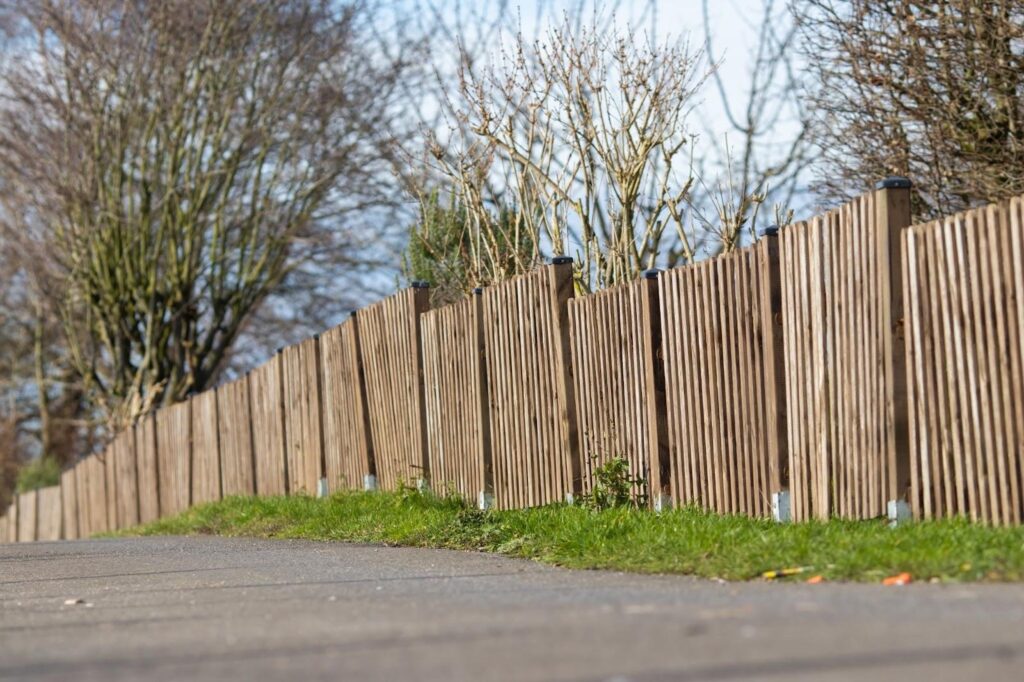
The size and layout of your property play a major role in determining how long your fence installation will take, as larger areas naturally require more materials, labor, and time to complete.
A straightforward rectangular yard with clear boundaries can be fenced relatively quickly, while properties with slopes, curves, trees, or obstacles require additional planning and adjustments that extend the timeline. These complexities often involve more precise measurements and customized installation techniques, which can slow down progress but are necessary for a durable result.
This factor matters because it directly influences both the duration and cost of the project, with more complex layouts requiring additional labor hours and sometimes specialized equipment. If your existing fence follows a similar layout and is still structurally sound, repairing sections instead of replacing the entire fence may significantly reduce installation time and cost. However, if the layout itself creates ongoing issues, a full upgrade may provide a better long-term solution.
2. Type of Fence Material
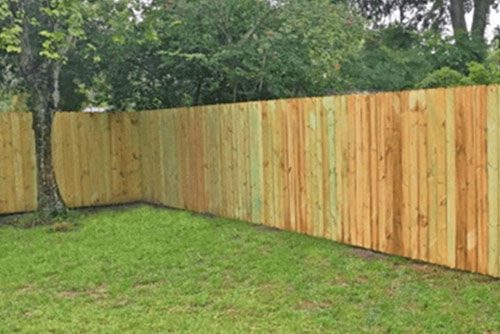
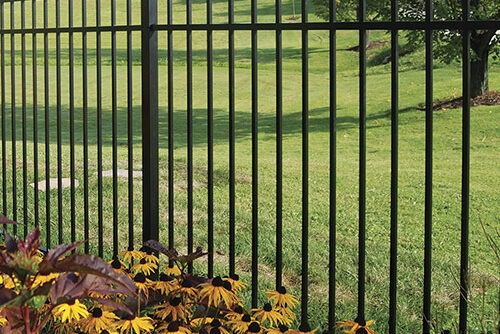
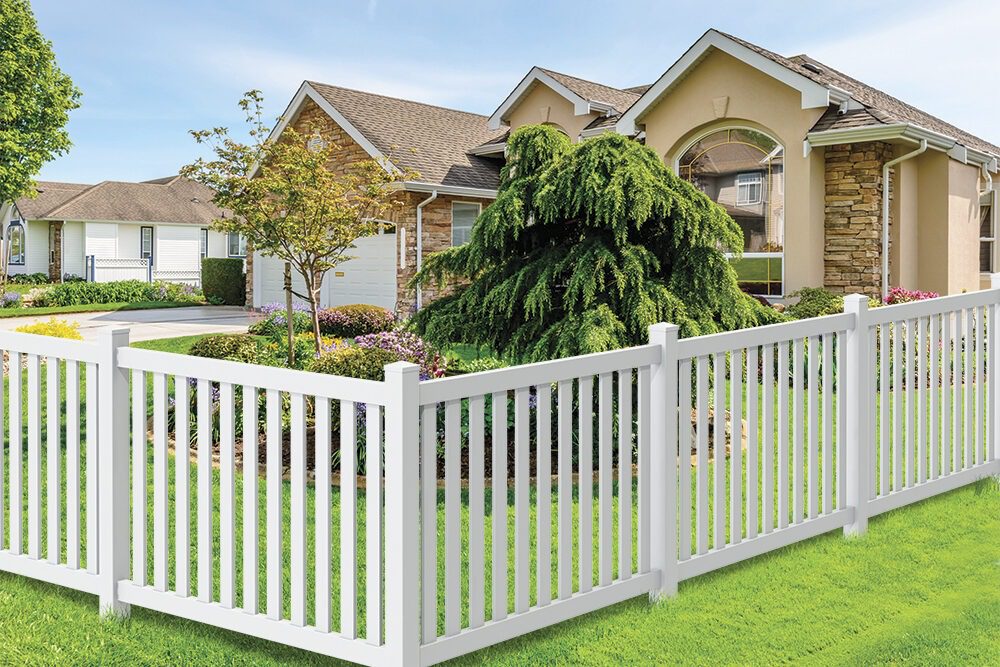
The material you choose has a significant impact on how quickly your fence can be installed, as each type requires a different level of effort and precision. Wood fencing, for example, involves cutting, measuring, and assembling multiple components on-site, which can take more time compared to vinyl fencing that often comes in pre-made panels designed for quicker installation. Metal or wrought iron fences typically require even more precision and care, especially when securing posts and ensuring alignment.
This matters because the material not only affects installation speed but also determines long-term maintenance and durability. Choosing a faster-to-install material may reduce labor costs upfront, but it is important to balance this with longevity and maintenance needs. If your current fence material requires frequent repairs, upgrading to a more durable option may extend the initial timeline slightly but save time and effort in the future.
3. Permit and Approval Process
Before installation begins, many local authorities require permits or approvals to ensure that your fence meets zoning regulations and property boundary rules. This step can take anywhere from a few days to several weeks depending on your location and the complexity of your project. Skipping this process can lead to serious consequences, including fines or even the requirement to remove the fence entirely.
The permit process matters because it can delay the start of your project if not planned in advance, and it often involves submitting documentation such as property surveys or design details. While minor repairs may not require permits, full installations or major upgrades almost always do. Taking care of this step early ensures that your project can proceed without interruptions once construction begins.
4. Site Preparation Requirements
Proper site preparation is essential for a successful fence installation, and it often takes more time than homeowners expect. This phase may include removing old fencing, clearing vegetation, leveling the ground, and marking boundaries to ensure accurate placement. If the site is not prepared correctly, it can lead to structural issues or delays during installation.
This step matters because it directly affects the quality and durability of your fence, as a poorly prepared site can compromise stability and alignment. While site preparation adds time to the overall timeline, it prevents costly problems later on. In cases where the existing fence structure is still in good condition, repairs may bypass extensive preparation, making the process faster and more cost-effective.
5. Weather Conditions
Weather is one of the most unpredictable factors in any outdoor project, and it can significantly influence your fence installation timeline. Rain, extreme heat, or frozen ground can delay work or make certain tasks unsafe or ineffective, particularly when setting posts that require stable soil conditions.
This matters because weather-related delays are often unavoidable and can push back your project by several days or even weeks. Planning your installation during favorable seasons can help reduce this risk, although flexibility is still important. Smaller repair jobs may be completed during mild conditions, but full installations typically require stable weather to ensure proper results.
6. Availability of Materials
Material availability can affect your timeline even before the installation begins, especially if you choose custom designs or high-demand products. Supply chain delays or limited stock can push back your project start date, sometimes unexpectedly.
This factor matters because it can disrupt even the most carefully planned schedules, forcing homeowners to either wait or choose alternative materials. While repairs often use readily available materials, upgrades or new installations may require advance ordering. Planning ahead and confirming availability can help prevent unnecessary delays.
7. Labor and Scheduling
The availability of skilled labor is another key factor that influences how quickly your fence can be installed. Experienced contractors often have busy schedules, especially during peak seasons, which means you may need to wait before your project can begin.
This matters because working with qualified professionals ensures better results, but it may require some flexibility in your timeline. Attempting to rush the process with less experienced labor can lead to mistakes that require costly fixes later. Repairs may be scheduled more quickly, but full installations often require more coordination and planning.
8. Ground Conditions
The condition of the soil on your property can either speed up or slow down installation, depending on factors such as hardness, moisture, and the presence of rocks or roots. Difficult ground conditions require additional effort to dig post holes and secure the fence properly.
This matters because it affects both installation time and structural stability, as improperly installed posts can lead to leaning or damage over time. While minor repairs may not be heavily impacted, full installations in challenging soil conditions will require extra time and care to ensure durability.
9. Custom Design Features
Adding custom elements such as decorative panels, gates, or unique layouts can extend your installation timeline, as these features often require additional measurements, fabrication, and precise installation.
This matters because customization enhances the appearance and functionality of your fence but also increases complexity and time requirements. While basic repairs are usually straightforward, upgrades involving custom designs should be planned with extra time to ensure quality results.
10. Neighbor Coordination
If your fence is being installed along a shared property line, coordinating with neighbors may be necessary to avoid disputes and ensure proper placement. This process can involve discussions, agreements, and sometimes adjustments to the design.
This matters because unresolved boundary issues can delay your project or lead to legal complications. While repairs may not require as much coordination, new installations often benefit from clear communication to prevent problems later on.
How Proper Planning Improves Your Timeline

When you plan your fence installation carefully, you reduce uncertainty and create a smoother, more efficient process from start to finish. Proper planning allows you to account for permits, material availability, and scheduling in advance, which minimizes delays and helps keep your project on track. It also ensures that each phase is completed in the correct order, preventing costly mistakes or rework that can extend the timeline.
In the long term, a well-planned project leads to better results and greater satisfaction, as you are more likely to stay within budget and achieve the desired outcome. It also reduces stress by eliminating last-minute decisions and unexpected setbacks, allowing you to focus on enjoying the final result rather than worrying about the process.
Choosing the Right Fence Installation Approach
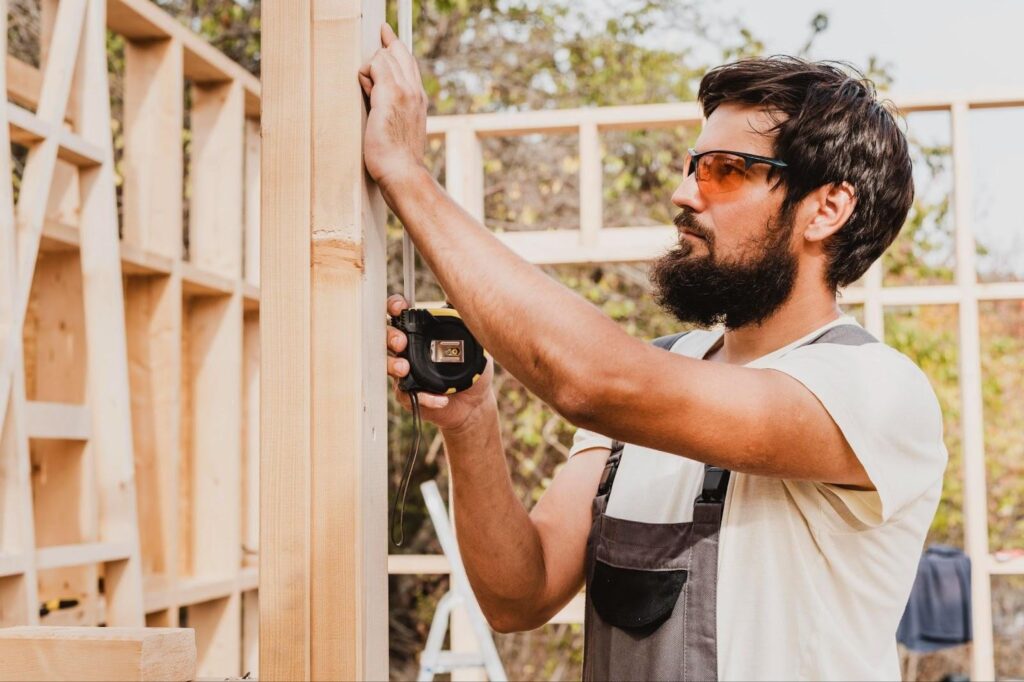
Choosing the right approach for your fence installation depends on your priorities, budget, and level of experience, as each option comes with its own advantages and limitations. A do-it-yourself approach may seem cost-effective at first, but it often requires significant time, effort, and skill, especially when dealing with complex layouts or challenging ground conditions. Mistakes during installation can lead to structural issues that require professional repairs, ultimately increasing costs.
Hiring professionals, on the other hand, provides a more efficient and reliable solution, as experienced installers can handle permits, site preparation, and construction with greater precision and speed. While this option may involve higher upfront costs, it often results in better quality and fewer delays. For most first-time homeowners, working with a trusted provider like Fusion Fence Company offers a balanced approach that combines expertise with convenience, ensuring that the project is completed correctly and on time.
Final Thoughts
A fence installation timeline is influenced by many factors, and understanding these variables is key to a successful project. From property layout to weather conditions, each element plays a role in determining how quickly your fence can be completed. By planning ahead and considering these factors, you can avoid common delays and ensure a smoother experience.
Taking the time to approach your project thoughtfully not only improves efficiency but also leads to better long-term results, giving you a fence that enhances both the functionality and value of your property.
FAQ’s
How long does fence installation usually take?
Most residential fence installations take between 1 to 3 days, but the full process including planning and permits can take several weeks.
What is the biggest cause of delays?
Permits, weather conditions, and material availability are the most common reasons for delays.
Can I install a fence myself?
Yes, but it requires time, tools, and experience. Mistakes can lead to higher costs in the long run.
Do all fence projects require permits?
Not all, but most new installations do. It depends on local regulations.
When is the best time to install a fence?
Spring and early fall are ideal due to mild weather and stable ground conditions.
Plan Your Fence Project with Confidence
- Understand the full timeline to avoid unexpected delays and extra costs
- Make informed decisions about materials, permits, and installation
- Reduce stress by knowing what to expect at every stage
Get Expert Guidance From Fusion Fence Company →
★★★★☆ Rated 4.6/5 by 129+ Homeowners for Reliable, Expert Fence Installation
Related Articles